Drypetes lateriflora
Drypetes lateriflora
Description
Drypetes lateriflora, commonly known as the Guiana plum, is a slow-growing evergreen tree belonging to the Phyllanthaceae family. This species is highly regarded for its dense, dark green foliage and its role in maintaining biodiversity within its native subtropical and tropical habitats.
The plant is native to the Caribbean region, including Florida, Cuba, and the Bahamas. It typically thrives in hardwood forests, particularly those located on limestone soils. Its natural range demonstrates its adaptability to specific geological conditions common in its native range.
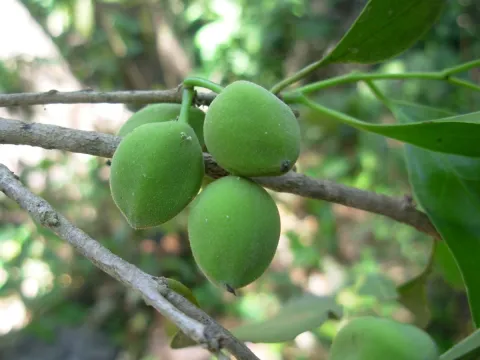
Botanically, it is distinct due to its cauliflorous habit, where inconspicuous but fragrant flowers emerge directly from the main trunk and older branches. The leaves are leathery and elliptical, providing a glossy appearance throughout the year. The small, fleshy fruits are an important food source for wildlife during the ripening season.
Cultivation requires a frost-free climate with consistent warmth. The soil should be well-drained, preferably slightly alkaline, mirroring its native forest floor habitat. When grown in nurseries or gardens, it responds well to organic fertilization and supplemental irrigation during extended dry spells to ensure steady growth.
In landscaping, it serves as an excellent specimen tree or a dense screen due to its manageable size and upright growth habit. While generally pest-resistant, growers should monitor for common tropical issues such as:
- scale insects
- mealybugs
- root rot from overwatering
Photo gallery