Dumortiera hirsuta
Dumortiera hirsuta
Description
Dumortiera hirsuta is a prominent species of liverwort belonging to the Dumortieraceae family. Unlike standard agricultural crops, it is a non-vascular plant that does not produce seeds or flowers, but instead reproduces via spores and vegetative propagation. It is widely recognized in botanical circles and the terrarium hobby as a distinctive, shade-tolerant plant that thrives in ultra-humid environments.
The origin of Dumortiera hirsuta is pan-tropical, meaning it is distributed throughout tropical and subtropical regions across the globe. It is commonly found in riparian habitats, growing on wet rocks, near waterfalls, or on shaded, damp banks. These natural locations provide the constant atmospheric moisture and cool temperatures essential for its survival and proliferation.
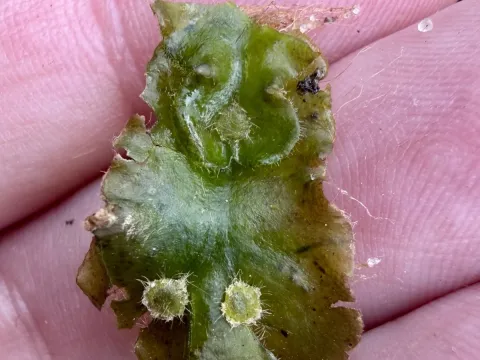
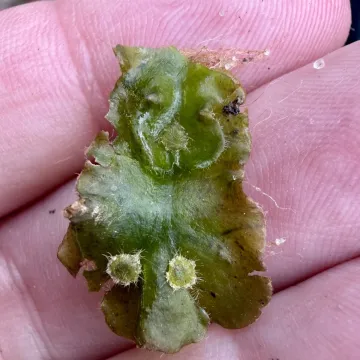
Botanically, the species is defined by its broad, thalloid body which lacks the distinct pores found in other species of the Marchantiaceae order. Its texture is smooth, somewhat translucent, and vibrant green. The plant's structure allows it to maintain optimal photosynthetic efficiency even in low-light environments, making it an ideal subject for cultivation in indoor setups that mimic forest floor conditions.
In terms of growth requirements, this species demands high humidity, ranging from 70% to 100%. The substrate should be composed of well-draining, peat-based or sphagnum moss mixtures that remain consistently moist. A temperature range between 18°C and 22°C is optimal. Agricultural management or cultivation techniques focus strictly on irrigation quality and preventing the accumulation of minerals that could harm the delicate bryophyte tissues.
- Requires high humidity levels at all times.
- Thrives in indirect or filtered low-light conditions.
- Benefits from occasional soft water misting.
- Sensitive to chemical fertilizers and high salt concentrations.
- Best suited for terrariums, paludariums, or vivariums.
Regarding pest and disease control, Dumortiera hirsuta is generally robust, but it can be susceptible to rotting if air circulation is inadequate. Pathogenic fungi, particularly those thriving in stagnant water, pose the greatest threat to its growth. To maintain healthy specimens, growers must prioritize clean water sources and prevent overcrowding to ensure adequate airflow around the thallus.
Photo gallery