Dysophylla tomentosa
Dysophylla tomentosa
Description
Dysophylla tomentosa is a perennial herbaceous plant belonging to the Lamiaceae family. It is recognized for its unique botanical profile and plays a significant role in ecosystems that are characterized by high humidity and consistent moisture levels.
The native range of this species is centered in the tropical regions of Southeast Asia. It is naturally adapted to marshy areas, riverbanks, and environments where soil saturation is high throughout the year. This ecological adaptation is a critical factor for any successful large-scale cultivation project.
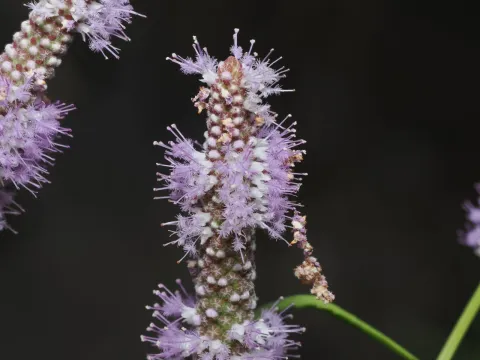
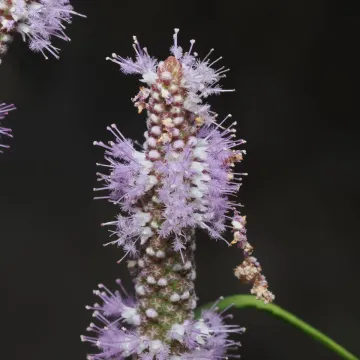
Botanically, the plant is identified by its distinctive tomentose (hairy) stems and leaves, which serve as a protective mechanism. It features whorled leaves and dense, spike-like inflorescences containing small, delicate flowers typical of the mint family. The growth habit is generally upright, reaching maturity under optimal environmental conditions.
Agrotechnical management requires precise irrigation protocols and soil fertility strategies. Dysophylla tomentosa demands well-drained but consistently moist organic soils. It is highly sensitive to drought; therefore, greenhouse or hydroponic cultivation methods are often preferred to maintain the stable microclimate necessary for maximum yield and quality of botanical extracts.
In terms of economic utility, the plant is primarily harvested for its bioactive compounds, which are researched for their potential in pharmacological applications. Protecting the crop from pests, particularly fungal pathogens that thrive in humid environments, is an essential part of the standard crop protection program for this species.
Photo gallery