Sanguine purple coneflower
Echinacea sanguinea
Description
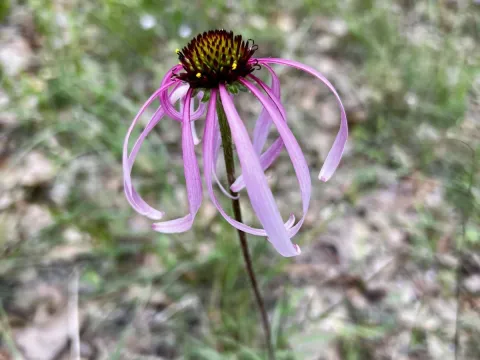
The Sanguine purple coneflower (Echinacea sanguinea) is a herbaceous perennial belonging to the Asteraceae family. Known for its distinctively slender leaves and vibrant, deep-colored floral centers, this species is highly valued both as an ornamental plant and as a medicinal crop used in the pharmaceutical industry.
This species is native to the south-central United States, specifically thriving in regions of Arkansas, Oklahoma, and Texas. In its natural habitat, it populates open woods and prairies, which dictates its preference for well-draining soil and a sunny environment to ensure vigorous growth and maximum concentration of active compounds.
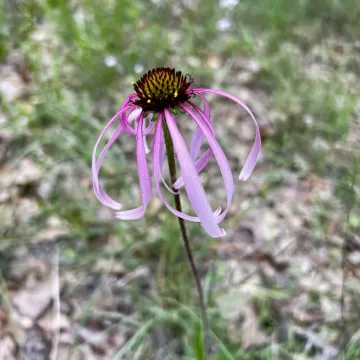
Botanically, the plant is characterized by a sturdy taproot and upright stems that typically reach heights between 60 to 90 centimeters. The leaves are characteristically narrow, distinguishing it from other species within the genus. The flowers possess a cone-shaped receptacle covered in prickly bracts, a trademark feature of the Echinacea genus.
Agricultural management requires careful attention to soil composition, as Echinacea sanguinea demands excellent drainage to prevent crown and root rot. The plants perform best in neutral or slightly alkaline soils with high organic content. Irrigation should be managed conservatively, providing enough moisture to support growth while ensuring the soil surface dries out between watering intervals.
To ensure high yields in commercial production, growers must manage common threats such as powdery mildew and aphid infestations. Preventive measures, including proper plant spacing and consistent monitoring, are essential for maintaining crop health. When managed correctly, this species serves as a valuable, long-lived perennial crop for sustainable farming operations.
Photo gallery