Argentine sword plant
Echinodorus argentinensis
Description
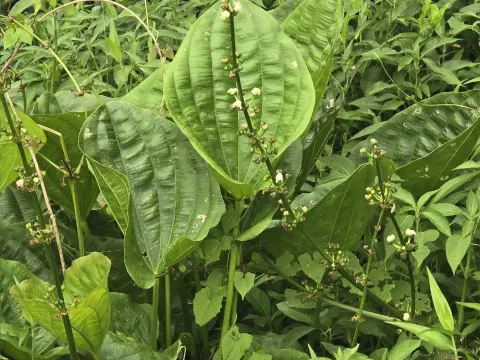
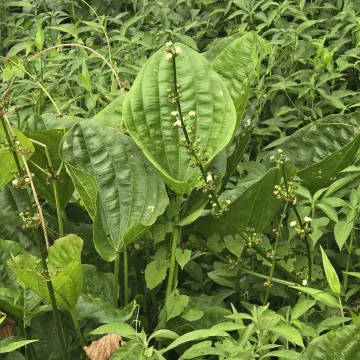
The Argentine sword plant (Echinodorus argentinensis) is a perennial aquatic or semi-aquatic plant belonging to the family Alismataceae. In commercial agriculture and aquatic plant nurseries, it is prized for its vigorous growth and impressive foliage. This species is highly adaptable, capable of thriving in both submerged and emersed conditions, which makes it a versatile crop for specialized horticultural operations.
Native to South America, specifically regions like Argentina, Brazil, and Paraguay, the plant naturally inhabits riverbanks, wetlands, and flooded plains. This evolutionary adaptation to fluctuating water levels allows the species to perform well under managed greenhouse conditions where irrigation and water level maintenance are controlled. Its natural habitat is characterized by nutrient-rich, moist substrates which must be replicated in cultivation.
Botanically, the plant is recognized by its large, lance-shaped leaves and a robust root system. The plant produces tall inflorescences that often emerge above the water surface, facilitating seed production. In horticultural practice, propagation is largely achieved through adventitious plantlets that form on the flower stalks, allowing for efficient mass production of clonal offspring in professional setups.
The agronomic requirements for Echinodorus argentinensis include a steady temperature range of 20°C to 28°C and a fertile, slightly acidic to neutral substrate. Adequate lighting is critical; insufficient light leads to etiolation and loss of leaf color. Furthermore, the plant requires a steady supply of micronutrients, particularly iron, to maintain healthy chlorophyll synthesis and prevent leaf yellowing.
Commercial use is primarily directed toward the ornamental aquatics and pond management sectors. While generally robust, the plant is susceptible to several issues:
- iron deficiency leading to chlorosis;
- fungal root rot in poorly aerated substrates;
- infestations by aphids or spider mites in dry greenhouse conditions.
Photo gallery