Southern globe thistle
Echinops bannaticus
Description
Southern globe thistle (latin Echinops bannaticus) is a perennial herbaceous plant belonging to the Asteraceae family. In agricultural practices, it is primarily recognized for its exceptional value as a high-yield nectar source for apiculture and its significant hardiness in various climates.
Native to Southeastern Europe, this species has successfully naturalized across various temperate zones. The plant is well-known for its adaptability, thriving in sunny, open habitats where other crops might struggle due to limited moisture or poor soil fertility.
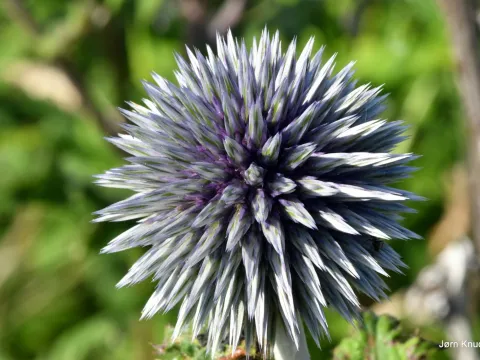
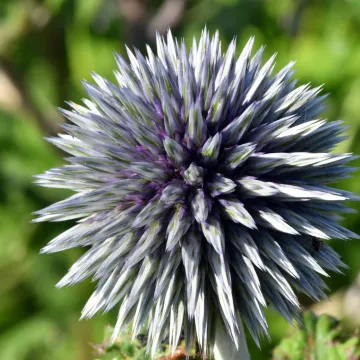
Botanically, it features tall, robust stems that can reach up to 1.2 meters, topped with characteristic globe-shaped flower heads in vibrant shades of blue. The leaves are deeply serrated and possess fine, spiny hairs, which serve as a natural defense mechanism and aid in moisture retention.
Regarding cultivation requirements, the plant prefers well-drained, sandy or loamy soils with full sun exposure. It is highly drought-tolerant once established, making it suitable for low-maintenance agricultural plots. Growers should avoid waterlogged areas, as stagnant moisture can cause root decay during the dormant season.
The primary use of the crop is to support local honeybee populations, as the flowers are rich in nectar throughout the peak summer season. Additionally, it is a popular choice for ornamental use and commercial dried flower arrangements. Common challenges include powdery mildew and occasional attacks by leaf-eating insects, which can be managed with integrated pest control strategies.
Photo gallery