Echium albicans
Echium albicans
Description
Echium albicans is a perennial herbaceous plant belonging to the Boraginaceae family. Known for its remarkable resilience and ecological plasticity, this species is increasingly studied in agriculture for its ability to thrive in harsh, nutrient-poor environments where traditional crops might fail.
The plant is native to the Mediterranean region, particularly prevalent in arid and rocky areas of Spain and Portugal. Its natural habitat includes limestone outcrops and dry slopes, which has defined its biological adaptation to low-moisture conditions and high-temperature fluctuations throughout the growth cycle.
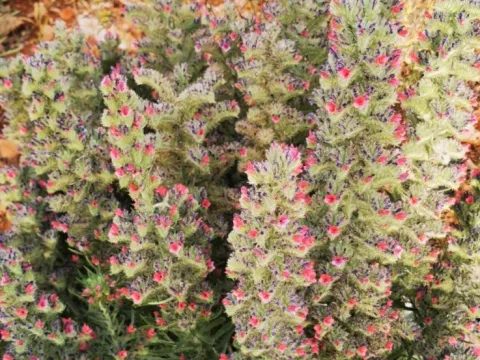
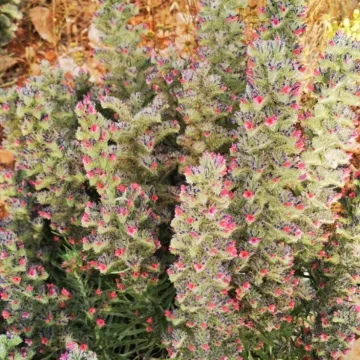
Botanically, Echium albicans is characterized by dense trichomes covering its narrow, lanceolate leaves, which significantly reduce transpiration rates. The plant typically reaches heights between 30 and 60 centimeters. Its inflorescences are distinctively coiled, producing clusters of white to pale-colored flowers that are highly attractive to pollinators.
Regarding agrotechnical requirements, the crop demands well-drained, alkaline or calcareous soils. It is highly drought-tolerant, requiring irrigation only during the establishment phase. Over-watering is the most common cause of crop failure, making proper soil drainage a critical factor for successful cultivation and root health.
The practical applications for this species include:
- Use as a high-quality nectar source in honey production (apiary management).
- Implementation in xeriscaping and sustainable landscaping projects.
- Soil stabilization and erosion control for degraded agricultural lands.
In terms of plant health, the species is relatively resistant to pests but can be susceptible to fungal diseases caused by excess humidity. Pests such as aphids may occur during early development. Maintenance practices should focus on maintaining optimal soil aeration and preventing excessive vegetation density to ensure proper airflow around the plants.
Photo gallery