Calycine viper's bugloss
Echium calycinum
Description
Calycine viper's bugloss (Latin: Echium calycinum) is a flowering herbaceous plant belonging to the Boraginaceae family. This species is gaining interest in modern agriculture due to its remarkable ability to thrive in arid conditions, positioning it as a potentially valuable nectar-producing crop for sustainable apiculture.
The plant originates from the Mediterranean region, where it has evolved to colonize rocky and sandy soils. Its distribution range is typically found in climates characterized by hot, dry summers and mild winters. It is highly valued for its resilience in environments where traditional crops might fail due to lack of water and poor soil fertility.
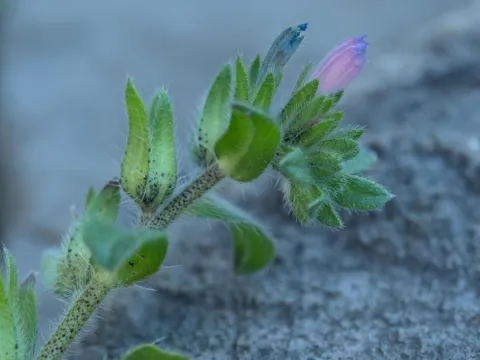
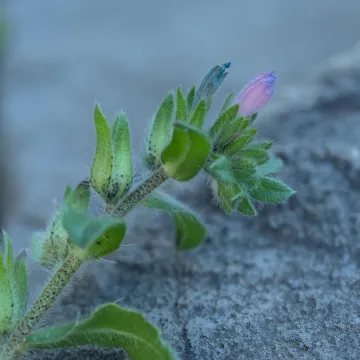
Botanically, it features a robust, bristly stem and narrow leaves, which are typical adaptations for water retention. The flowers are arranged in helicoid cymes, displaying vibrant blue or violet hues, which act as a powerful attractant for various pollinators, particularly honey bees, during the flowering season.
Regarding cultivation, the crop requires full sun exposure and well-draining soil. It is particularly intolerant of waterlogged conditions, which can lead to rapid root decay. Preparing the seedbed properly in early spring is essential to ensure uniform germination and to provide the crop with an early advantage against competing weed species.
Its primary agricultural use is centered on its role as a high-quality honey source, helping to extend the nectar flow season. Typical pests and diseases include root-rotting fungi triggered by excess moisture and certain sap-sucking insects. Implementing a proper crop rotation and monitoring soil moisture levels remain the most effective management strategies for this species.
Photo gallery