Echium glomeratum
Echium glomeratum
Description
Echium glomeratum is a perennial herbaceous plant belonging to the Boraginaceae family. This species is recognized for its unique adaptation to harsh environments, characterized by dense, congested inflorescences and a rugged structure that allows it to thrive in nutrient-poor substrates where other crops might fail.
Originating primarily from mountainous regions of the Caucasus, this plant is naturally distributed across rocky slopes and open, arid landscapes. Its evolutionary history has endowed it with remarkable drought tolerance, making it a subject of interest for agricultural programs focused on low-input, high-resilience cultivation in semi-arid regions.
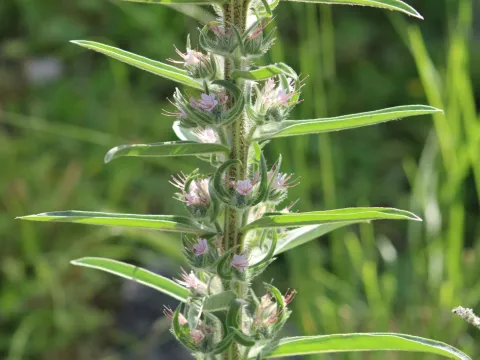
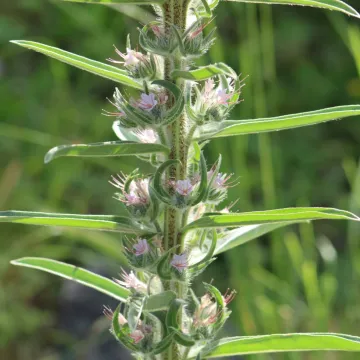
The botanical profile of the plant includes stiff, trichome-covered stems and foliage, which are essential for minimizing water loss through evaporation. The leaves are typically lanceolate, and the flowers emerge in dense clusters. The root system is significantly developed, often extending deep into the ground to anchor the plant and access deep-seated moisture reserves.
Cultivation requirements for Echium glomeratum revolve around well-draining soils with a neutral or slightly alkaline pH. It is crucial to avoid waterlogged environments, as root rot is a common issue in poorly aerated soils. Agronomic practices typically involve minimal soil disturbance and sufficient spacing to allow for airflow, which helps prevent fungal infections common in the Boraginaceae family.
Economically, this species is highly valued as a potent honey-producing plant. Beekeepers prioritize areas with significant populations of this plant for its long flowering period and high nectar sugar concentration. Additionally, it serves as a functional plant for erosion control, helping to stabilize sandy or sloped soils in agricultural landscapes that lack dense vegetation.
- Excellent resilience to extreme drought.
- High value for apiculture.
- Minimal fertilization requirements.
- Strong potential for environmental restoration.
Photo gallery