Edraianthus tenuifolius
Edraianthus tenuifolius
Description
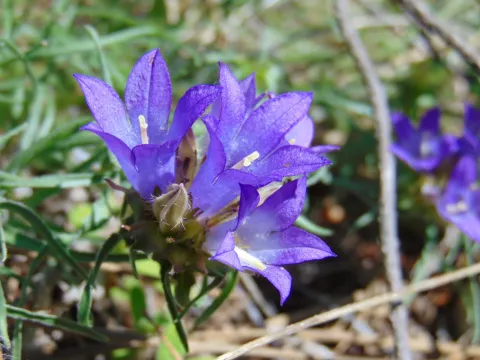
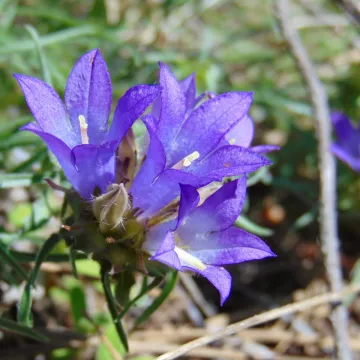
Edraianthus tenuifolius is a perennial herbaceous plant belonging to the Campanulaceae family. Renowned in the horticultural world, it forms low-growing, dense cushions that produce an abundance of bell-shaped, violet-blue flowers, making it a highly desirable species for rock gardens and alpine displays.
The plant originates from the mountainous regions of Southeastern Europe, particularly the Balkan Peninsula. Its natural habitat includes limestone cliffs, rocky slopes, and screes, which has evolved the species to be remarkably hardy, drought-tolerant, and capable of thriving in nutrient-poor substrates.
Botanically, it is distinguished by narrow, grass-like leaves organized in basal rosettes. During the peak of the flowering season, the plant produces clusters of intense purple blossoms held on short, stout stems. Its deep taproot system is a vital adaptation for securing the plant in rock crevices and accessing moisture deep within the substrate.
Cultivation success relies heavily on replicating its native alpine conditions. Key requirements include full sun exposure and sharp, gritty drainage. Soil should be neutral to slightly alkaline and lean; heavy or waterlogged soils are detrimental and typically lead to plant failure. Raised beds or stone troughs are often recommended for regions with wet winters.
While generally resilient, the plant is susceptible to root rot if drainage is inadequate. Pests such as slugs and snails may pose a threat to young, succulent growth during rainy springs. Management includes manual removal of pests and ensuring that the foliage is surrounded by a layer of grit to prevent moisture retention at the base.
Photo gallery