Egletes prostrata
Egletes prostrata
Description
Egletes prostrata is a herbaceous plant species belonging to the Asteraceae family. Known for its prostrate growth habit, this plant serves as a research subject for soil stabilization and botanical applications in tropical agriculture. Its biological flexibility allows it to thrive in diverse wetland environments within its native range.
The plant originates from the tropical regions of the Americas, where it is commonly found in riparian habitats and damp lowland areas. It is widely distributed across Central and South America. Its cultivation outside these regions is typically restricted to greenhouse conditions or specialized tropical agricultural zones that mirror its native, high-humidity climatic requirements.
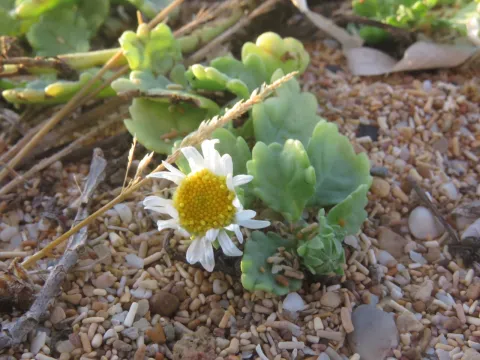
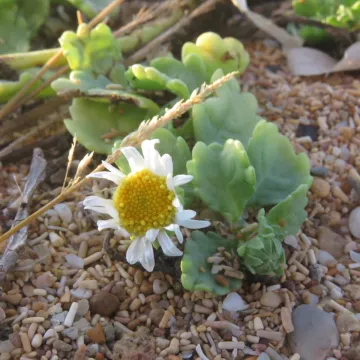
Botanically, the species is identified by its creeping stems that spread horizontally across the ground. The leaves are generally simple and serrated, providing a dense foliage cover. The flower heads are small, typical of the Asteraceae family, and act as a reliable source of pollen for native insect populations, contributing to local biodiversity.
Cultivation requires specific attention to soil moisture and light intensity. It performs best in nutrient-rich, loamy soils that can retain moisture without becoming waterlogged. Successful management involves regular irrigation and ensuring that the planting site has sufficient light to prevent excessive elongation of the stems, which can weaken the plant structure.
Regarding хозяйственное use, the plant has potential applications in decorative landscaping and botanical research. Typical diseases include root rot caused by poor soil drainage and fungal pathogens under high humidity. Pest management focuses on controlling common sucking insects like aphids through consistent scouting and the application of suitable integrated pest management practices.
Photo gallery