Ehretia asperula
Ehretia asperula Zoll. & Moritzi
Description
Ehretia asperula is a perennial woody plant species belonging to the Boraginaceae family. Native to the tropical regions of Southeast Asia, this plant is recognized for its unique morphological features and resilience in its natural environment. It serves as a significant subject for botanical study and holds interest for specialized ornamental plant collections.
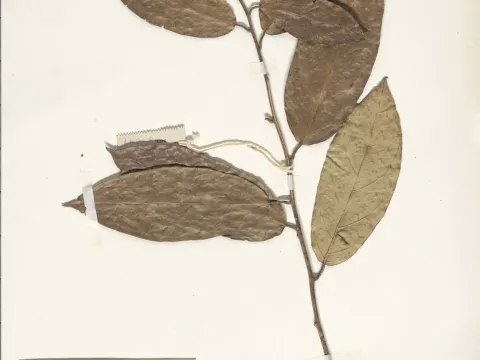
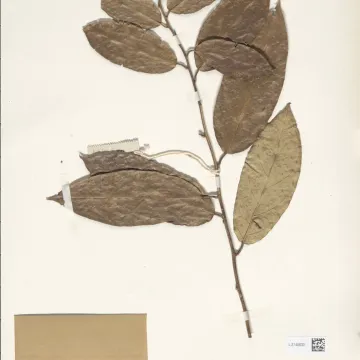
Botanically, Ehretia asperula is characterized by its distinctively rough foliage, from which it derives its specific epithet. The plant typically grows as a small-to-medium-sized tree with a dense, branching structure. The inflorescences are composed of small, delicate flowers that are adapted for cross-pollination by insects, playing a minor but essential role in the local ecosystem's balance.
The climate requirements for this species are centered around warm, humid conditions. It thrives best in regions where temperatures remain stable and frost is entirely absent. In terms of soil, it prefers well-draining substrates that are rich in humus, mimicking the forest floors of its native habitat. Poorly drained soil can lead to root system decay and hinder growth.
Agricultural management of Ehretia asperula involves careful attention to irrigation and pruning. Regular, consistent watering is required to maintain soil moisture, while careful pruning is necessary to maintain the desired structural integrity and health of the plant. Monitoring for pests such as scale insects or spider mites is an essential part of the care routine for healthy development.
The main use of this plant is within the sphere of ornamental gardening and botanical preservation. While not a conventional agricultural crop for food production, it contributes to biodiversity in tropical gardens and serves as an example of the Boraginaceae family's adaptability. Its potential for use in greening urban tropical spaces makes it a valuable asset for horticulturists focused on exotic biodiversity.
- Family: Boraginaceae
- Habit: Tree or shrub
- Light requirement: Partial to full sun
- Soil pH: Neutral to slightly acidic
- Propagation: Seeds and stem cuttings
Photo gallery