Ehretia dicksonii
Ehretia dicksonii
Description
Ehretia dicksonii is a deciduous tree belonging to the Boraginaceae family. It is recognized for its robust growth habit, large foliage, and fragrant white flowers. The plant is a prominent member of the Ehretia genus and is valued by horticulturists for its unique appearance and adaptability in garden settings.
The tree originates from East Asia, with a natural distribution spanning across China, Japan, and the Korean Peninsula. In its native habitat, it thrives in forest margins and mountainous areas. This background has gifted the plant with the ability to adjust to diverse soil conditions and moderate temperature fluctuations.
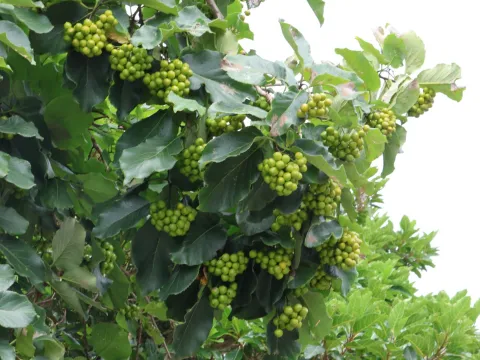
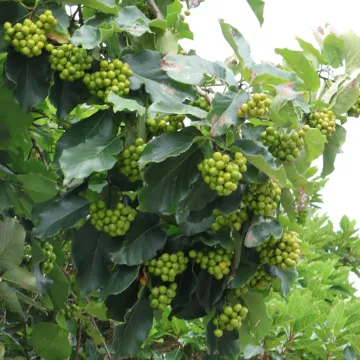
Botanically, Ehretia dicksonii features large, ovate leaves with a distinctive rough texture. During late spring, the tree produces dense panicles of fragrant, cream-white flowers that attract various pollinators. These are followed by small, round drupes that gradually change color, providing visual interest well into the later seasons.
Cultivation requirements for this species include fertile, well-draining soil and a location that receives full sun or partial shade. The tree is relatively hardy but benefits from protection against harsh, desiccating winds when young. Basic agronomic practices include routine irrigation during the initial establishment phase and the application of balanced organic fertilizers in early spring to encourage healthy growth.
The economic and practical utility of the tree is primarily focused on landscape architecture and ornamental gardening. It serves as an excellent shade tree for public parks and private gardens. Beyond aesthetics, some regional cultures historically utilized parts of the tree for its medicinal properties or as a source of sturdy timber for small-scale woodcraft.
Common health issues include susceptibility to aphids and spider mites, which can be managed with biological control methods or horticultural oils. Regarding diseases, powdery mildew may occur if the plant is grown in areas with poor air circulation or excessive humidity. Regular pruning helps maintain health by ensuring adequate light penetration and airflow throughout the canopy.
Photo gallery