Ehrharta distichophylla
Ehrharta distichophylla
Description
Ehrharta distichophylla is a perennial grass species belonging to the Poaceae family. As part of the diverse Ehrharta genus, this plant is notable for its specialized adaptation to specific ecological niches, serving as an interesting specimen for both botanical research and potential environmental restoration projects.
This species is native to South Africa, specifically within the Cape Floristic Region. It is naturally adapted to the Mediterranean-type climate found in this area, characterized by winter rainfall and hot, dry summers, which has shaped its physiology to survive in nutrient-poor, sandy soil conditions.
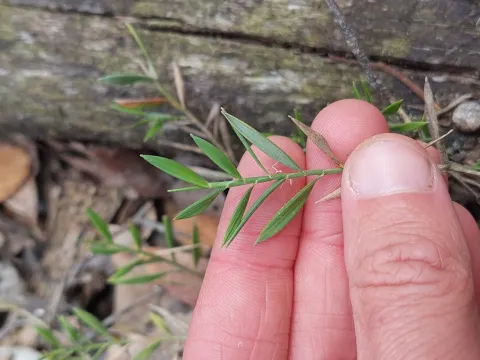
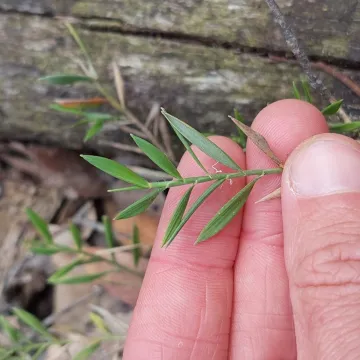
Botanically, the plant grows in a dense tufted form. Its specific epithet, "distichophylla," refers to the distichous arrangement of the leaves, where the blades are aligned in two distinct vertical rows along the stem. The stems are slender yet resilient, and the inflorescence typically takes the form of a delicate panicle.
Agronomically, this species thrives in full sun and requires well-drained soil with low fertility. It exhibits significant drought tolerance, which makes it well-suited to dry environments. However, it is highly susceptible to root rot if placed in waterlogged conditions, making proper soil drainage a mandatory requirement for successful maintenance.
The primary use of Ehrharta distichophylla centers on ecological conservation and specialized landscaping. While not a large-scale agricultural crop, its ability to stabilize soil and survive in harsh environments makes it an excellent candidate for the rehabilitation of degraded soils and native vegetation management programs.
Photo gallery