Ehrharta juncea
Ehrharta juncea
Description
Ehrharta juncea is a perennial grass species belonging to the Poaceae (grass) family. This plant is known for its resilient nature, having evolved in environments that require significant adaptation to variable moisture and soil conditions. It is part of a genus that includes various species valued for their ecological and agricultural properties.
The origin of Ehrharta juncea is primarily in the southern regions of Africa. Its natural range encompasses areas characterized by arid or semi-arid climates. Over time, it has become recognized in specific agricultural systems as a reliable plant for stabilizing soils and providing forage where more intensive cereal crops might fail to thrive.
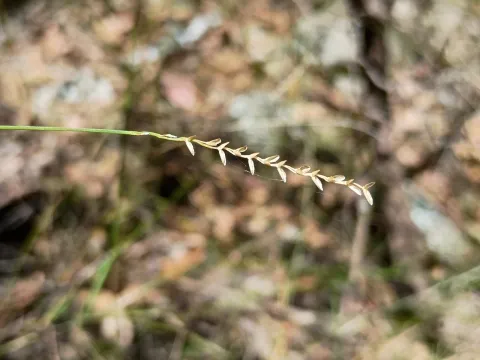
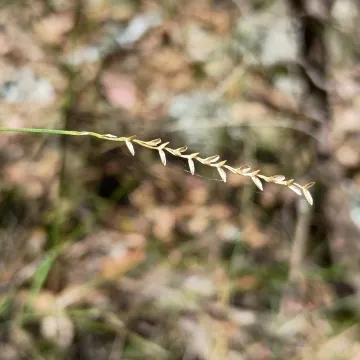
Botanically, the species is defined by its rush-like (juncus-like) stems and narrow, tough foliage. This structural adaptation helps reduce water loss through transpiration, allowing the plant to maintain its physiological functions during extended dry periods. Its root system is extensive, contributing significantly to the structural integrity of the soil profile.
In terms of agricultural requirements, the plant prefers well-drained, sandy, or light-textured soils. It does not require high levels of soil fertility, making it suitable for marginal lands. While it is inherently drought-tolerant, management practices should focus on maintaining adequate spacing to prevent competition for moisture if grown in denser stands.
The primary use of Ehrharta juncea is in livestock forage production and land restoration. It acts as an effective ground cover, protecting topsoil from erosion. In pasture settings, it provides a consistent feed source that recovers well after moderate grazing, making it a valuable asset for sustainable agricultural land management in dry regions.
- High tolerance to moisture-deficient environments.
- Adaptability to nutrient-poor soil substrates.
- Role in erosion control and land rehabilitation.
- Moderate nutritional value for grazers.
Regarding health management, Ehrharta juncea exhibits a strong resistance to many common cereal diseases. Pests are rarely a major issue, provided the field is not subjected to waterlogging, which can encourage fungal pathogens. Good agricultural practice involves rotational grazing to ensure the plant remains vigorous and healthy throughout its growth cycle.
Photo gallery