Ehrharta laevis
Ehrharta laevis
Description
Ehrharta laevis is a perennial grass species belonging to the Poaceae family. It is recognized for its biological resilience and ability to thrive in challenging environments where other forage species might fail. Its classification within the Ehrharta genus highlights its affinity for specialized ecological niches.
Originating from Southern Africa, this species has evolved to withstand arid and semi-arid conditions. Its distribution spans regions where rainfall is seasonal and soil moisture availability is often limited. Historically, it has been an integral part of natural grasslands, supporting local biodiversity and herbivore populations.
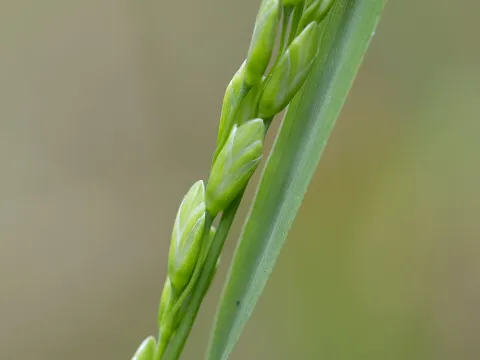
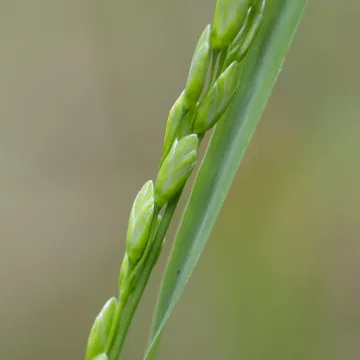
Botanically, Ehrharta laevis exhibits fine-textured foliage and a robust root system capable of nutrient and moisture extraction from deep soil layers. The plant produces relatively compact inflorescences, typically in the form of panicles, which facilitate seed dispersal. Its growth habit is characterized by moderate tillering, allowing for sustainable regrowth after harvest or grazing.
Agricultural success with this crop requires well-drained, sandy to loamy soils. It is highly sensitive to waterlogging, necessitating proper site selection to avoid anaerobic conditions. While it demonstrates high tolerance to drought, nitrogen availability in the soil remains a key factor for maximizing biomass productivity in managed agricultural settings.
The economic value of this species is largely derived from its role in sustainable land use:
- Serving as a reliable forage source for livestock in dry climates.
- Utilized in soil conservation programs to prevent erosion in sandy areas.
- Acting as a pioneer species for restoring degraded marginal lands.
Pest and disease management typically focuses on fungal pathogens, such as leaf rust, which can impact forage quality during periods of excessive humidity. Integrated pest management strategies involve maintaining adequate plant vigor to naturally suppress pest populations. Routine field monitoring is essential to ensure the longevity and productivity of the sward.
Photo gallery