
Silverberry
Elaeagnus commutata
Description
Silverberry (lat. Elaeagnus commutata) is a perennial deciduous shrub belonging to the Elaeagnaceae family. This species is highly valued in horticulture and ecology for its extreme hardiness, rapid growth, and its unique ability to fix atmospheric nitrogen, which helps improve the nutrient profile of poor or sandy soils.
Native to North America, the silverberry is widespread across Canada and the northern United States, thriving in diverse environments including prairie grasslands and open woodlands. Its natural range demonstrates its adaptability to cold climates, which has facilitated its introduction and successful cultivation in similar zones across Europe and Asia.
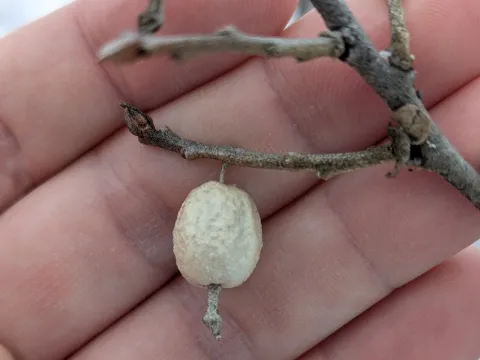
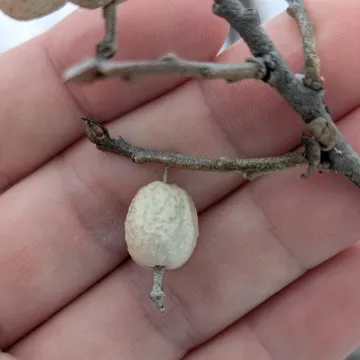
The plant is botanically distinguished by its silver-scaled twigs and leaves, which create a metallic, shimmering appearance in the landscape. It typically reaches a height of 3 to 4 meters. The foliage is lanceolate and entirely covered in silvery scales. In early summer, the plant produces small, tubular, yellow, and intensely fragrant flowers, followed by dry, silvery-brown drupes that persist into late autumn.
Regarding cultivation requirements, silverberry thrives in full sun and well-drained, sandy soils. It is exceptionally drought-tolerant once established and does not require frequent fertilization. Pruning should be performed to manage its sucker-forming growth habit, as the plant can spread via rhizomes if not contained, making it an excellent candidate for stabilization projects.
The main agricultural and utility uses include:
- Soil stabilization and erosion control on embankments and sand dunes.
- Ornamental hedges and windbreaks in rural and urban landscapes.
- Nectar source for honey bees during the early summer season.
- Wildlife habitat, as birds utilize the cover and the fruits for food.
Silverberry is generally resistant to pests and diseases, which makes it a low-maintenance choice for sustainable landscaping. Occasional fungal issues can occur in environments with poor air circulation or waterlogged soils. Routine management should focus on monitoring for scale insects or leaf spots, although significant outbreaks are rare in well-maintained, sunny locations.
Photo gallery