Elaeagnus glabra
Elaeagnus glabra
Description
Elaeagnus glabra is an evergreen shrub belonging to the Elaeagnaceae family. Known for its glossy foliage and adaptability, this species is increasingly recognized for its ecological importance and its role in sustainable landscaping and soil stabilization efforts in diverse climates.
The native habitat of Elaeagnus glabra spans across East Asia, predominantly in regions of China, Japan, and Korea. Historically, it has been valued in these regions for its resilience and ability to thrive in various forest and slope conditions. Currently, it is cultivated globally in temperate regions for its ornamental appeal and utility.
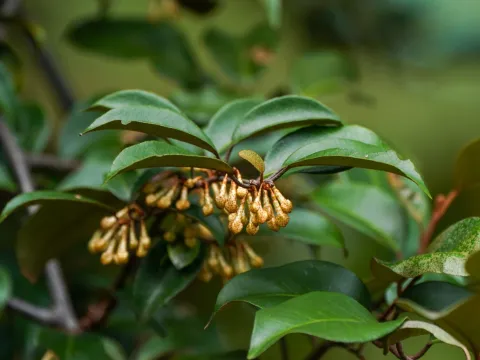
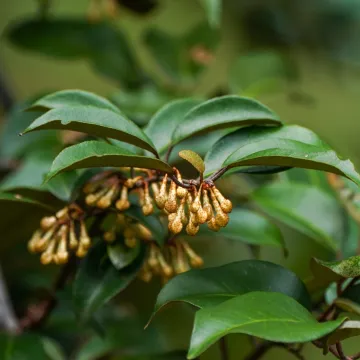
Botanically, the plant is characterized by smooth, hairless stems and coriaceous leaves that exhibit a deep, lustrous green on the upper surface and silvery, scaly undersides. It typically grows as a multi-stemmed shrub. A notable biological feature is its root system, which hosts symbiotic nitrogen-fixing bacteria, contributing significantly to soil enrichment.
Regarding cultivation, Elaeagnus glabra prefers well-drained, sandy or loamy soils with a neutral to slightly acidic pH. While it is moderately drought-tolerant once established, providing consistent moisture during the early growth stages is essential. The plant performs best in full sun but maintains good health in partial shade, making it versatile for garden design.
Typical agricultural practices include annual pruning to maintain structural density and promote new growth. The species is highly valued for creating windbreaks and erosion-preventing hedges. While relatively hardy, growers should be vigilant for pests such as scale insects and spider mites, and ensure adequate airflow to mitigate potential fungal issues like powdery mildew.
Photo gallery