Oldham's silverberry
Elaeagnus oldhamii
Description
Oldham's silverberry (Elaeagnus oldhamii) is a perennial shrub belonging to the Elaeagnaceae family. This species is highly valued for its robust growth habit and its ability to thrive in a variety of environments, making it a versatile choice for both ornamental landscaping and environmental stabilization projects.
Native to East Asia, particularly regions including China, Taiwan, and Japan, this plant has adapted to diverse climates ranging from coastal zones to mountain slopes. Its natural resilience allows it to compete effectively in various habitats, and it is widely recognized for its ecological role in nitrogen fixation, which improves soil fertility in the areas where it is established.
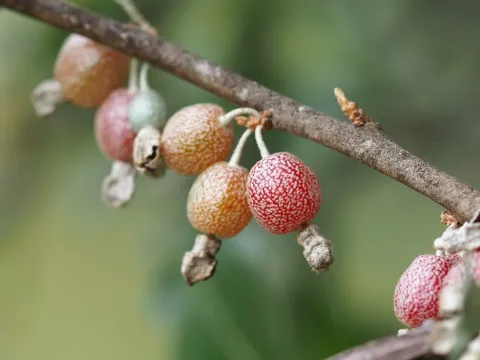
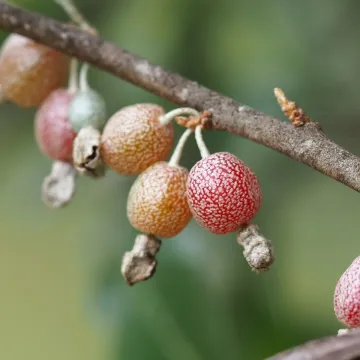
Botanically, Elaeagnus oldhamii is distinguished by its branched, often thorny stems and coriaceous leaves that feature a distinctive silvery or brownish scale-covered underside. It produces small, fragrant flowers, followed by edible drupe-like fruits. These fruits are nutrient-rich and contain antioxidants, providing a supplemental food source for local wildlife and, occasionally, for human consumption.
Growing successful specimens requires specific management practices to ensure long-term health:
- Planting in full sun to partial shade to encourage vigorous growth.
- Ensuring the planting site has well-draining soil, as the plant dislikes waterlogged conditions.
- Implementing regular pruning to maintain the desired shape and remove dead or diseased branches.
- Monitoring soil moisture during the establishment phase and providing supplemental watering in periods of prolonged drought.
The economic and practical utility of Oldham's silverberry is broad, ranging from its use in creating dense privacy hedges and windbreaks to its deployment in soil erosion control programs. Because it is highly tolerant of urban pollution and coastal salt spray, it serves as an excellent candidate for city parks and infrastructure protection along maritime routes.
In terms of plant health, Elaeagnus oldhamii is generally hardy, though it may be susceptible to typical nursery pests like aphids, scales, or fungal pathogens such as rust if air circulation is poor. Integrated pest management, which includes consistent monitoring and the removal of infected foliage, is sufficient to maintain the aesthetic and structural integrity of the plant.
Photo gallery