Elaeagnus submacrophylla
Elaeagnus submacrophylla
Description
Elaeagnus submacrophylla is an evergreen or semi-evergreen shrub belonging to the Elaeagnaceae family. It is widely recognized in horticulture for its robustness, leathery foliage, and its ability to thrive in challenging environmental conditions, making it an excellent choice for various landscaping and agricultural applications.
The plant originates from East Asia, particularly regions like Japan. Its natural habitat includes coastal areas, which has endowed it with remarkable tolerance to salt spray and high winds. This resilience makes it a highly valuable species for environmental protection in coastal regions and exposed landscapes where other plants might struggle to survive.
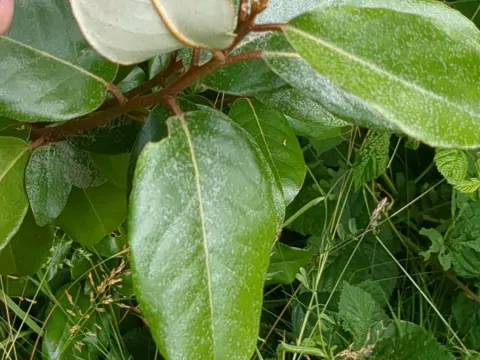
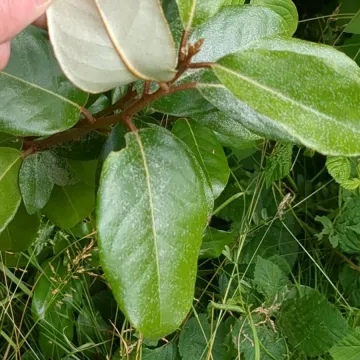
Botanically, it is characterized by dense branching and glossy, dark green leaves that possess distinct silvery or brownish scales on the underside. The plant produces small, highly fragrant flowers, typically in the autumn, followed by small, fleshy fruits. Its ability to fix atmospheric nitrogen through root symbiosis contributes significantly to its survival in nutrient-poor soils.
Regarding cultivation, the plant is relatively undemanding. It prefers well-drained soil and thrives in full sun to partial shade. Irrigation is essential primarily during the establishment phase, after which the plant becomes drought-tolerant. Minimal maintenance is required, though occasional pruning is recommended to maintain the desired shape and density of the shrub.
The primary uses of Elaeagnus submacrophylla include the creation of dense privacy hedges, windbreaks, and stabilization of slopes to prevent soil erosion. It is generally resistant to pests and diseases, provided that waterlogging is avoided, as excessive soil moisture can lead to root rot. Occasional aphids or scale insects may occur, but they rarely cause significant damage.
Photo gallery