
Bancroft's quandong
Elaeocarpus bancroftii
Description
Bancroft's quandong (Elaeocarpus bancroftii) is a prominent species within the Elaeocarpaceae family, native to the tropical rainforests of Australia. This evergreen tree is recognized for its valuable edible nuts, which have been a traditional food source. The species is well-regarded for its adaptability to specific rainforest niches and its high-quality kernel production.
The plant originates from the wet tropical regions of North Queensland. It requires a humid climate with consistent rainfall throughout the year, making it unsuitable for dry or temperate agricultural zones. Its natural habitat consists of fertile forest floors where the tree competes for sunlight and moisture, reaching significant heights in maturity.
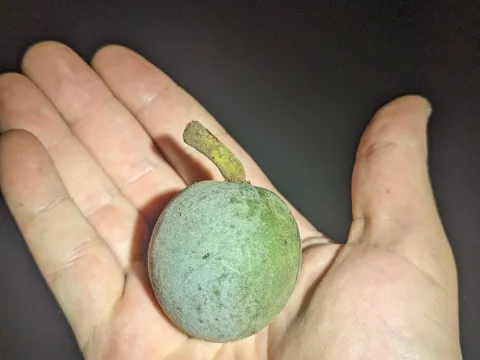
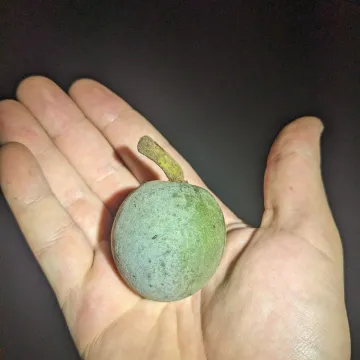
Botanically, the tree is characterized by broad, leathery leaves and a robust growth habit. The fruit is a drupe containing a hard, woody endocarp that protects the seed. These seeds are edible and highly prized for their buttery texture and nutty flavor, often drawing comparisons to other high-value tropical nuts due to their dense nutrient profile.
Agronomic management of Elaeocarpus bancroftii focuses on selecting deep, well-draining soils with high organic matter content. Regular irrigation is critical during the establishment phase, as the tree relies on stable soil moisture. Pruning may be necessary to shape the canopy and improve air circulation, though the tree generally maintains a healthy structure in its natural range.
The primary economic use of this culture involves the harvesting of kernels for the specialty food market. Its rich oil content makes it an excellent candidate for health-conscious food products. While large-scale commercial plantations are rare, the tree is increasingly studied for its inclusion in permaculture systems and tropical agroforestry projects due to its resilience to local pests and diseases.
- Thrives in humid tropical climates with consistent moisture.
- Produces highly nutritious edible kernels.
- Requires fertile, well-draining soil for optimal growth.
- High potential for sustainable agroforestry utilization.
Photo gallery