
Elaeocarpus grandiflorus
Elaeocarpus grandiflorus
Description
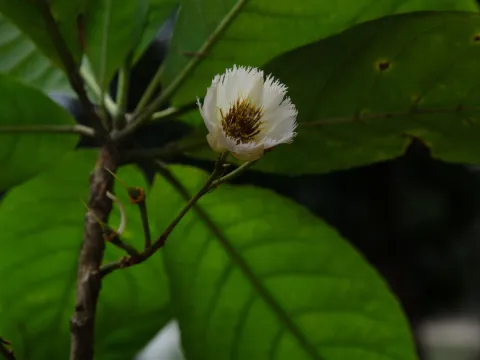
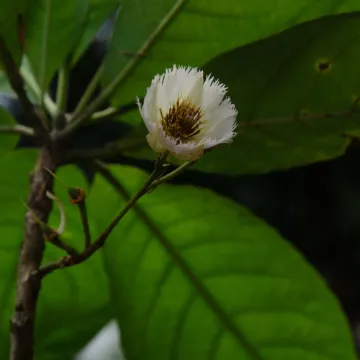
Elaeocarpus grandiflorus is an evergreen tree species belonging to the Elaeocarpaceae family. Renowned for its stunning, fringed, bell-shaped flowers that hang in pendulous racemes, this tree is a prized ornamental specimen in tropical landscapes. It is recognized for its unique aesthetic appeal, adding elegance to garden designs and botanical collections worldwide.
The species originates from Southeast Asia, including countries like Indonesia, Malaysia, and the Philippines. In its native habitat, it thrives in wet tropical forests and humid environments near water sources. Its cultivation is currently restricted to frost-free regions where tropical conditions ensure continuous growth and development throughout the seasons.
Botanically, the plant features dense, glossy foliage and white, lacy-edged flowers that bloom in clusters. The structure of the petals is the species' most notable feature, often described as decorative fringe. The fruits are succulent drupes, providing a vital food source for various local bird populations, which helps in the dispersal of seeds in natural and cultivated environments.
Successful cultivation requires rich, well-draining soil with a significant amount of organic matter. The plant is highly moisture-demanding and thrives in consistently humid conditions. It requires bright, indirect light to partial shade, and must be protected from high-velocity winds that can damage the delicate floral racemes. Consistent hydration is essential for maintaining plant vigor.
In terms of usage, it is primarily grown for its horticultural value as a standout ornamental tree in parks and residential tropical gardens. Beyond its decorative role, it can serve as a component in environmental protection, helping stabilize soil in specialized habitats. Pests such as scale insects may affect the plant, and proper soil management is critical to prevent root pathogens from compromising the tree's health.
- Soil Type: Well-draining, nutrient-rich, acidic to neutral pH.
- Watering: Frequent, ensuring the root ball stays moist but not waterlogged.
- Maintenance: Minimal pruning, primarily to maintain desired crown shape.
- Climate: Strictly tropical, sensitive to cold and frost.
Photo gallery