Elaeodendron glaucum
Elaeodendron glaucum
Description
Elaeodendron glaucum is a perennial evergreen tree belonging to the family Celastraceae. Known for its robustness and unique aesthetic qualities, this species represents a significant biological resource within tropical and subtropical forest ecosystems across Asia.
The plant originates from the Indian subcontinent, Sri Lanka, and Southeast Asia. It typically thrives in dry deciduous forests, where it has evolved to withstand seasonal water scarcity and high solar exposure. Its natural range demonstrates a high degree of ecological plasticity, allowing it to colonize diverse terrain types ranging from plains to low-altitude hills.
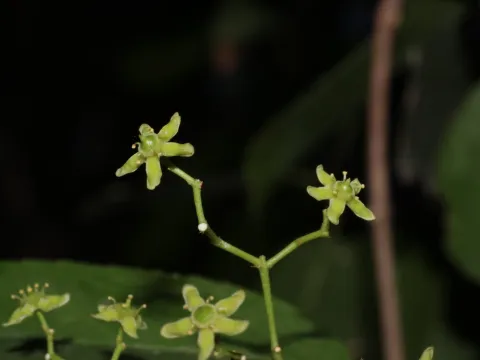
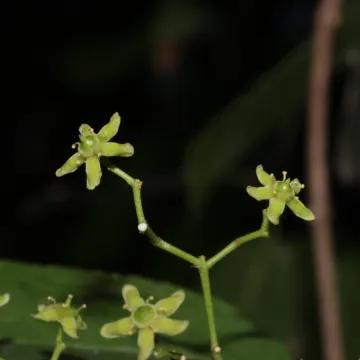
Botanically, the tree is characterized by its smooth, grey-brown bark and opposite, leathery, elliptic leaves with a distinctive glaucous bloom, which justifies its specific epithet. The flowers are small, greenish-yellow, and usually emerge in axillary cymes. The fruit is a drupe, which is often consumed by birds and other wildlife, facilitating the dispersal of the species.
Agricultural requirements for Elaeodendron glaucum are centered on well-drained soil and adequate sun exposure. While the plant is drought-tolerant once established, nursery-stage care involves regular watering to ensure deep root development. It performs best in nutrient-rich loamy soils but can adapt to rocky, less fertile ground, making it suitable for reforestation projects in degraded areas.
Economic and utility applications are diverse. The timber of this species is highly valued for its hardness, fine grain, and durability, making it suitable for high-quality carpentry, turnery, and tool handles. Additionally, various extracts derived from the bark and leaves are studied for their potential medicinal properties in traditional health systems. In landscape architecture, it is occasionally used as an ornamental tree in arid climates.
Key pests and diseases often affecting this crop include:
- Powdery mildew triggered by high humidity levels.
- Aphid infestations during the spring growth flush.
- Root rot pathogens resulting from waterlogged growing conditions.
Photo gallery