Elaeosticta lutea
Elaeosticta lutea
Description
Elaeosticta lutea is a perennial herbaceous plant belonging to the Apiaceae family. Recognized for its resilience, this species represents a niche crop with potential applications in natural product chemistry and herbal medicine. While it remains a wild-harvested plant in many regions, interest in its organized cultivation is gradually growing.
The plant originates from the arid and semi-arid regions of Central Asia. Its natural distribution is linked to rocky slopes and mountain foothills, where it has evolved to thrive under conditions of intense solar radiation and minimal rainfall. This evolutionary background makes it a promising candidate for cultivation in dryland environments.
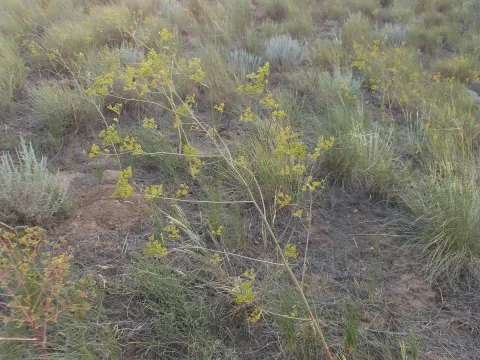
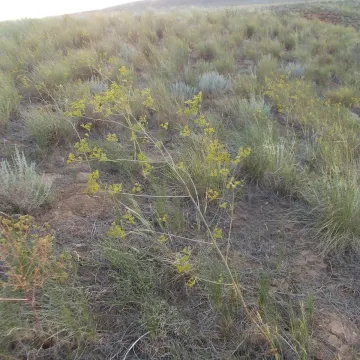
Botanically, Elaeosticta lutea is defined by a deep taproot system and a branching stem structure reaching up to 60 cm in height. The foliage is characteristically pinnate, providing a distinct appearance, while the small yellow flowers form complex umbels. These structures are the primary diagnostic features of this species within the Apiaceae family.
Cultivation requirements favor well-drained, porous soils, such as sandy loams or rocky substrates. Proper aeration of the root system is critical for plant health, as the species is highly sensitive to waterlogging. Agronomic management involves site selection on sunny, open fields and the implementation of water-conserving practices during the initial stages of development.
- Ensuring high soil drainage capacity.
- Maintaining adequate space between rows for ventilation.
- Avoiding excessive nitrogen fertilization to prevent succulent rot.
- Early weeding to eliminate competition for nutrients.
The primary economic use of Elaeosticta lutea is the extraction of essential oils and bioactive compounds. Research indicates that the chemical profile of the plant may offer benefits in anti-inflammatory and antioxidant applications. Future agricultural prospects involve developing cultivars that provide higher biomass yields for pharmaceutical industries.
Common agricultural challenges include susceptibility to fungal pathogens like powdery mildew during humid springs and aphid infestations during the summer heat. Integrated pest management strategies, emphasizing preventative thinning and biological controls, are recommended to maintain the quality of the raw material while ensuring sustainable crop production.
Photo gallery