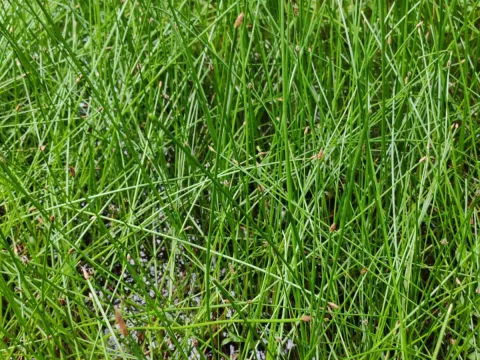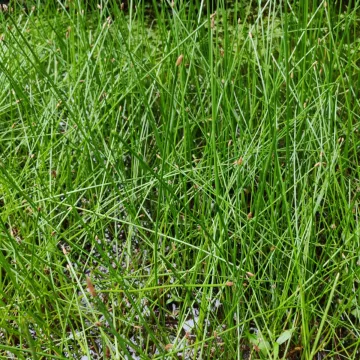
Austrian spike-rush
Eleocharis austriaca
Description
Austrian spike-rush (Eleocharis austriaca) is a perennial herbaceous plant belonging to the Cyperaceae family. It is recognized as a specialized hydrophytic species that thrives in wet, saturated environments such as marshes, riverbanks, and areas with fluctuating water levels.
The native range of this plant is primarily distributed across the European continent. It has evolved to inhabit temperate climatic zones, where it plays a vital role in wetland ecosystems by stabilizing sediment and providing habitat for various aquatic microorganisms. The plant's historical distribution is strongly tied to riparian corridors.
Botanically, the plant is characterized by slender, erect, leafless stems arising from creeping rhizomes. Its reproductive strategy involves the production of solitary terminal spikelets. The internal anatomy of the stems features specialized air channels, allowing for effective respiration in anaerobic soil conditions typical of marshy habitats.
Cultivation requirements for Eleocharis austriaca emphasize the need for consistent soil moisture. It is best suited for sunny locations with nutrient-rich organic sediments. Unlike traditional field crops, this plant requires minimal management; however, maintaining water quality is essential, as the species is sensitive to extreme levels of agricultural pollutants or chemical runoff.
Practical applications for the plant include:
- Natural wastewater treatment in constructed wetlands.
- Soil stabilization in bank erosion control.
- Bio-filtration projects in agricultural landscapes.
- Ornamental pond landscaping.
Common health issues involve fungal pathogens that may emerge if water becomes stagnant for prolonged periods in warmer climates, leading to rhizome decay. Pests are rarely a significant concern, as the species is well-adapted to aquatic environments where most traditional terrestrial pests cannot survive, making it a resilient choice for ecological projects.
Photo gallery