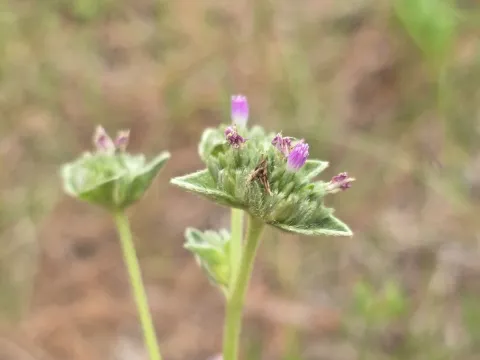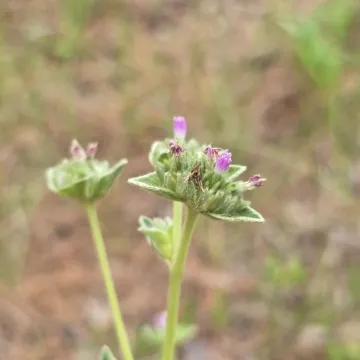
Elephantopus elatus
Elephantopus elatus
Description
Elephantopus elatus is a perennial herb belonging to the Asteraceae family. Known for its distinct morphological structure, this species serves as an interesting subject for both botanical study and specific horticultural applications, particularly in regions that mirror its native environment.
The plant originates from the southeastern United States, where it naturally thrives in open woodlands and pine savannas. Its range of cultivation is largely limited by its preference for specific sandy, acidic soils and a climate that avoids extreme winter temperatures, making it a niche crop in various ecological zones.
Botanically, it is defined by a basal rosette of large, hairy leaves and a tall, erect stem producing clusters of small, tubular flowers. The inflorescences, often clustered in heads, are a key diagnostic feature of the genus and play an essential role in the plant's reproductive cycle during the peak of summer.
In terms of agricultural requirements, the plant demands well-drained soil to prevent root issues. It grows best in environments with adequate moisture but requires careful management to avoid soil compaction. Its cultivation cycle typically involves spring planting or propagation via seeds, ensuring that the plant receives sufficient light without prolonged exposure to extreme heat.
The primary use of Elephantopus elatus remains in the field of ethnobotany and potential pharmaceutical development due to its bioactive secondary metabolites. Furthermore, it is occasionally utilized in restoration ecology and sustainable landscaping to support local pollinator populations, as its flowers are highly attractive to bees and other beneficial insects.
Photo gallery