Description
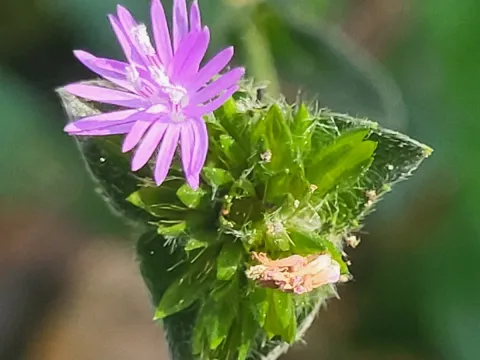
Prickly-leaved elephant's foot (lat. Elephantopus scaber L.) is a perennial herbaceous plant belonging to the Asteraceae family. It is a recognized medicinal crop, widely documented for its unique morphology featuring a basal rosette of stiff, hairy leaves that resemble an elephant's footprint, hence the genus name.
The plant originates from tropical regions of Asia, including India, Southeast Asia, and China. It thrives in diverse habitats, ranging from moist forests to open, grassy plains. In modern agriculture, it is cultivated primarily for its medicinal secondary metabolites, with production concentrated in regions that mimic its natural tropical environment.
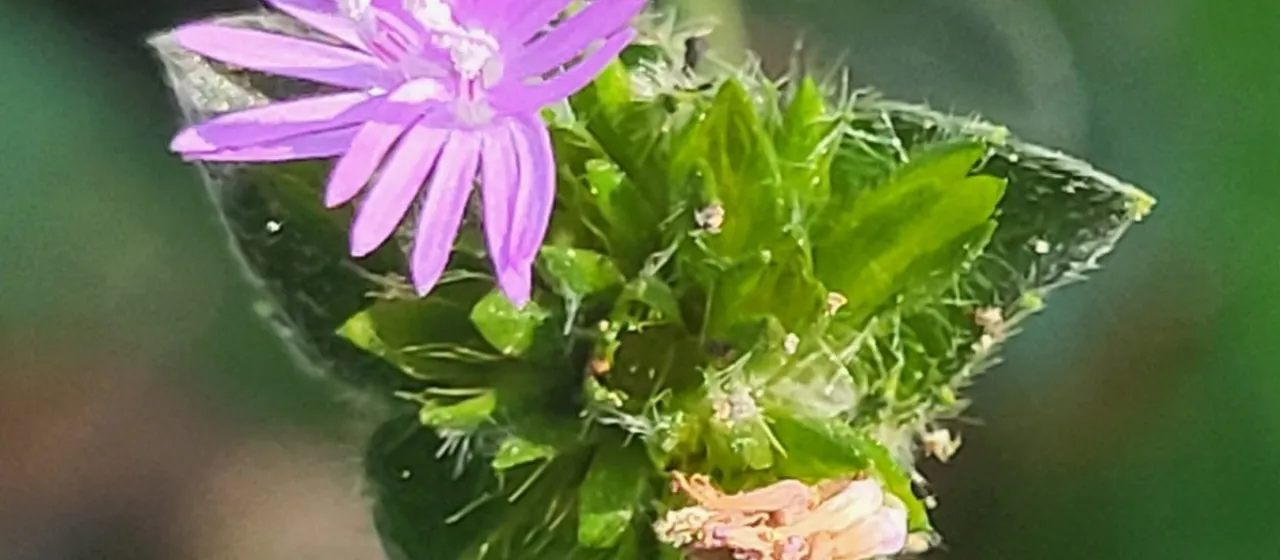
Botanically, the plant is characterized by a short, woody rhizome and a distinct flowering stem. The small, white or pinkish-purple florets are organized into tight, terminal heads. Its leaves have a rough, scabrid surface texture, which serves as a defensive mechanism against certain herbivores and environmental stressors, while also aiding in water retention in arid periods.
Successful cultivation requires a warm, humid climate with temperatures consistently above 20°C. The ideal soil profile is well-drained, fertile, and slightly acidic to neutral. Agronomic management involves consistent irrigation, periodic thinning to ensure airflow, and the application of organic mulch to regulate soil temperature and inhibit the growth of competitive weeds during the early establishment phase.
The primary economic value of this crop lies in its extensive use in traditional and modern pharmaceutical preparations. It is researched for its potent anti-inflammatory, hepatoprotective, and anti-tumor compounds, such as elephantopin. Farmers must monitor for common pests like aphids and root-knot nematodes, while also ensuring proper drainage to prevent fungal infections that commonly plague plants grown in high-humidity tropical conditions.
Photo gallery