Cardamom
Elettaria cardamomum (L.) Maton
Description
Cardamom (Elettaria cardamomum) is a perennial herbaceous plant belonging to the Zingiberaceae family. It is commercially significant globally, primarily harvested for its aromatic seeds which are widely used as a premium spice in culinary and medicinal applications.
The species is native to the humid tropical forests of the Western Ghats in India. Today, it is cultivated extensively across tropical regions, with major production centers located in Guatemala, India, and Sri Lanka, where ecological conditions mimic the plant's natural habitat.
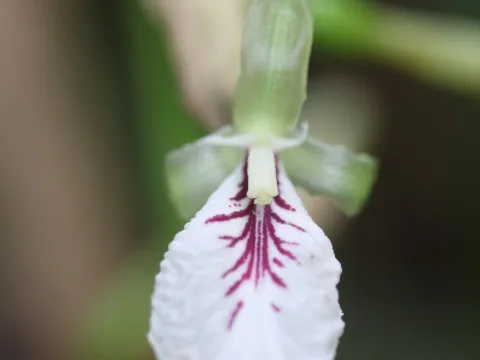
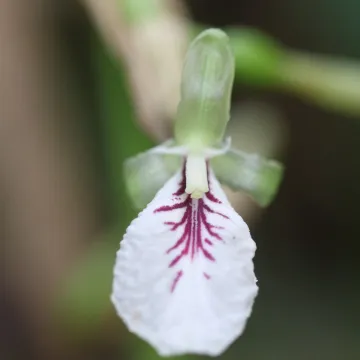
Botanically, the plant features a rhizomatous growth habit with long, lanceolate leaves emerging from a pseudostem. The inflorescence is a panicle that produces green to brownish trilocular capsules. Each capsule contains numerous small, intensely fragrant seeds rich in volatile oils.
Successful cultivation requires a tropical climate with high humidity, consistent rainfall, and temperatures ranging between 20°C and 30°C. The plant thrives in deep, fertile soils rich in organic matter. Shade management is critical, as excessive direct sunlight can scorch the foliage and reduce capsule yield.
Cardamom is primarily processed into dry spice pods or extracted for essential oils used in flavoring and pharmaceuticals. Farmers must maintain strict control over common phytosanitary issues to ensure quality, including:
- thrips infestations affecting capsule quality;
- leaf blight and leaf spot diseases;
- rhizome rot caused by waterlogging;
- nematode attacks that impair root nutrient uptake.
Photo gallery