Eleutheranthera ruderalis
Eleutheranthera ruderalis
Description
Eleutheranthera ruderalis is an annual herbaceous plant belonging to the Asteraceae family. While often categorized in agricultural contexts as a weed, the species exhibits significant biological vigor and rapid growth patterns that make it an interesting subject for studies on plant colonization in disturbed tropical ecosystems.
The plant is native to the tropical regions of Central and South America. Over time, it has successfully naturalized across various tropical zones, including parts of Africa, Southeast Asia, and the Pacific Islands. Its ability to thrive in diverse environments allows it to persist in agricultural lands, plantation borders, and neglected urban areas, effectively competing with local flora.
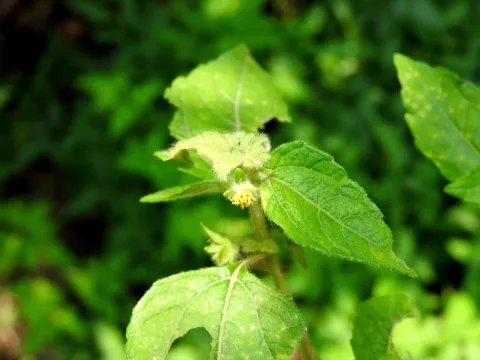
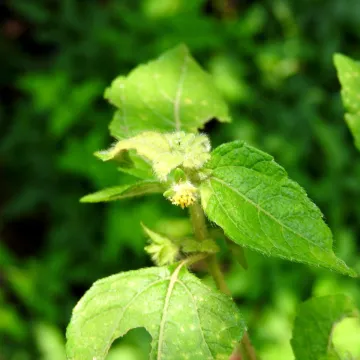
Botanically, Eleutheranthera ruderalis is recognized by its branched, often pubescent stems and opposite, serrated leaves. The inflorescences consist of small, yellow flower heads without distinct ray florets, typical of many members of the sunflower family. It maintains a consistent growth cycle, flowering and setting seed throughout the year in regions without significant seasonal temperature fluctuations.
Regarding cultivation and agricultural management, the plant thrives in moist, nutrient-rich soils and prefers environments with high solar radiation. In agricultural settings, it is primarily managed through mechanical weeding, mulching, and the implementation of effective crop rotation strategies to minimize seed bank accumulation in the topsoil.
- Fast-growing cycle allows for rapid biomass accumulation.
- High adaptability to various soil moisture levels.
- Resistance to many standard pests affecting tropical crops.
In terms of хозяйственное (economic) use, the plant is occasionally used as green manure in subsistence farming systems due to its high biomass productivity. Emerging research also focuses on the phytochemical profile of the species, exploring potential medicinal applications of its extracts in treating various conditions, which underscores the need for further scientific inquiry into this resilient species.
Photo gallery