Description
Eleutherococcus leucorrhizus is a perennial shrub belonging to the Araliaceae family. Known for its medicinal properties, this species is a close relative of the well-known Siberian ginseng but possesses unique growth characteristics that define its specific agronomic management. It is increasingly recognized as a valuable crop for sustainable agro-pharmaceutical production.
Native to the forest regions of East Asia, primarily in China, this plant thrives in mountain habitats with moderate temperatures and filtered sunlight. The distribution of the crop in controlled environments requires regions that can offer high humidity and protection from extreme temperature fluctuations, ensuring a steady vegetative growth period throughout the year.
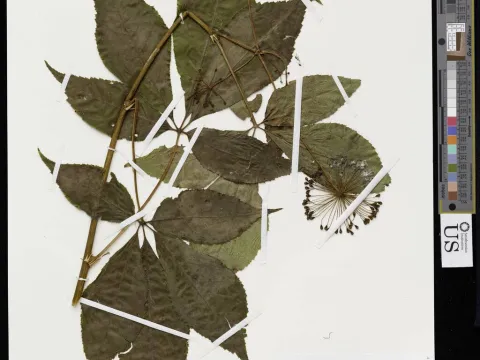
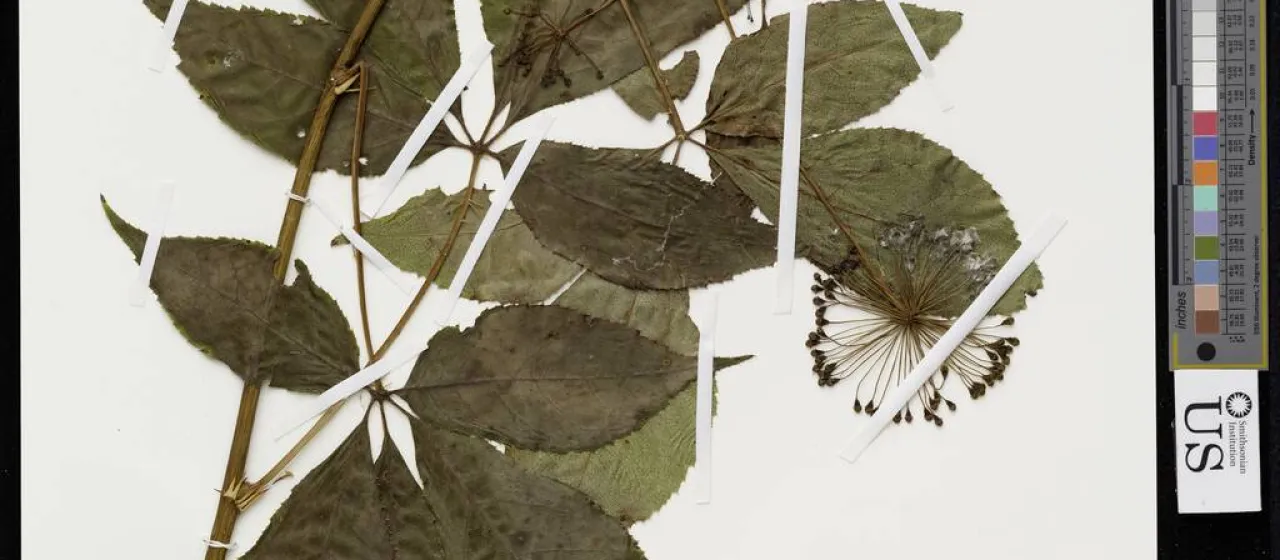
Botanically, it is a deciduous woody shrub with a complex root system that serves as the primary source of bioactive compounds. The plant features thorny stems and palmate-compound leaves with distinctive whitish petioles, from which its specific name is derived. Growth is generally slow, and it may take several years for a plantation to reach a stage suitable for harvesting.
Agronomic requirements for Eleutherococcus leucorrhizus include well-drained, nutrient-rich loamy soils with a slightly acidic to neutral pH. Proper soil preparation, including deep tilling and organic amendment, is crucial. In terms of moisture, the crop requires consistent irrigation, particularly during the first few seasons, to ensure robust root establishment and prevent drought-related stress.
- Regular weeding to reduce competition for nutrients.
- Organic mulching to maintain soil structure and moisture levels.
- Protection from extreme frost during early developmental stages.
- Strategic pruning to optimize resource allocation to roots.
The primary economic value of this plant lies in its roots, which are rich in eleutherosides, acting as powerful adaptogens. These compounds are used globally in the pharmaceutical industry to manufacture supplements that enhance human physical and mental performance. Beyond its medicinal utility, the plant is also valued in landscaping for its structural form and aesthetic qualities in shady garden environments.
Photo gallery