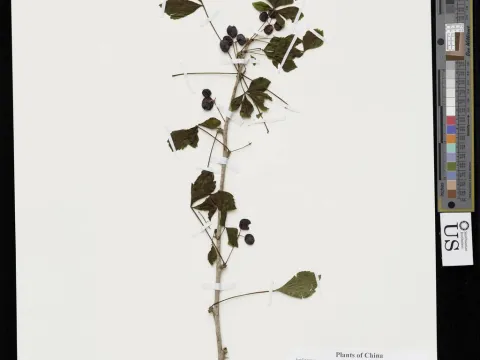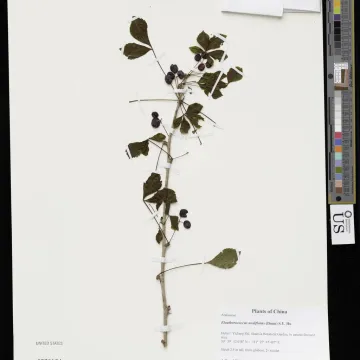
Eleutherococcus nodiflorus
Eleutherococcus nodiflorus
Description
Eleutherococcus nodiflorus is a perennial shrub species within the Araliaceae family. It is recognized in the agricultural sector as a specialized crop cultivated primarily for its pharmacologically active compounds, which are extracted from its root system and foliage to serve as potent adaptogenic raw materials.
The species originates from the temperate and subtropical regions of East Asia, primarily spreading across mountainous and forested landscapes in China and Japan. In modern agricultural practice, it is introduced into various climates that mimic its natural habitat, requiring moderate rainfall and well-defined seasonal transitions to ensure high-quality biomass development.
Botanically, it is a deciduous shrub that can reach significant heights under optimal conditions. It is distinguished by its nodular flowering structures, from which the name is derived, and its complex, palmately-compound leaves. The root system is extensive and fibrous, providing the plant with excellent stability and nutrient uptake capacity, which is a critical feature for long-term plantation management.
The cultivation requirements are centered around soil quality and water management. Ideal soil for Eleutherococcus nodiflorus should be loamy, nutrient-rich, and possess an acidic to neutral pH level. Key agricultural practices include:
- Regular soil aeration to prevent compaction.
- Consistent moisture management through drip irrigation.
- Organic fertilization during the early spring vegetative stage.
- Strategic pruning to optimize branching and harvest yield.
The crop is utilized primarily in the health supplement and herbal medicine industries. Like many shrubs in the Araliaceae family, it can be susceptible to root rot if drainage is insufficient, and pests such as aphids or spider mites may affect leaf health. Maintaining healthy soil structure and implementing integrated pest management programs are essential for maximizing the economic output of this crop.
Photo gallery