Ellisia nyctelea
Ellisia nyctelea
Description
Ellisia nyctelea, commonly known as Aunt Lucy or nyctelea, is an annual herbaceous plant belonging to the Boraginaceae family. In agricultural settings, it is often identified as a problematic weed that competes with crops, particularly in moist soils and shaded areas within agricultural fields.
The plant originates from North America, where it is native to a broad range of temperate environments. It is currently found throughout various parts of Canada and the United States. Its adaptability allows it to colonize diverse habitats, including riverbanks, forest edges, and cultivated land, making it a persistent component of the local flora in many regions.
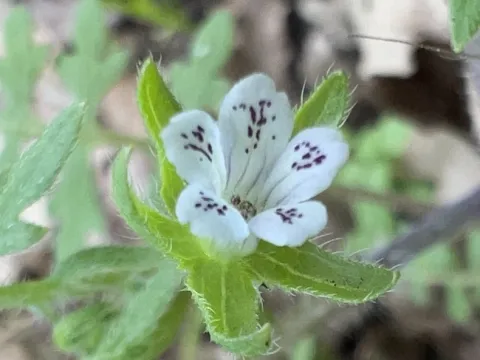
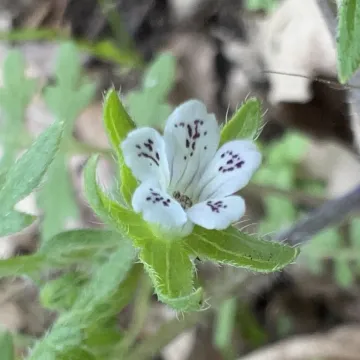
Botanically, Ellisia nyctelea is characterized by its somewhat succulent, hairy, and branched stems, reaching heights up to 40 centimeters. The leaves are opposite and pinnately lobed, while the flowers are solitary, white to pale blue, with a distinct bell-shaped appearance. These plants reproduce entirely through seeds, which often form a significant seed bank in the soil, ensuring the plant's survival across seasons.
Regarding cultivation and environmental requirements, the plant thrives in rich, moist soil conditions. It is frequently associated with areas that have high levels of organic matter. From an agronomic perspective, managing this plant requires a combination of strategies, including consistent tillage practices to prevent seed maturation and the application of appropriate herbicides to limit its spread within crop rows.
Typical plant health issues for this species include sensitivity to soil-borne pathogens and fungal infections during prolonged damp weather. Integrated pest management (IPM) is the most effective approach to reducing its impact on production. By rotating crops and utilizing mechanical weeding between rows, farmers can significantly lower the infestation density of this weed, protecting the overall yield of their main commodities.
Photo gallery