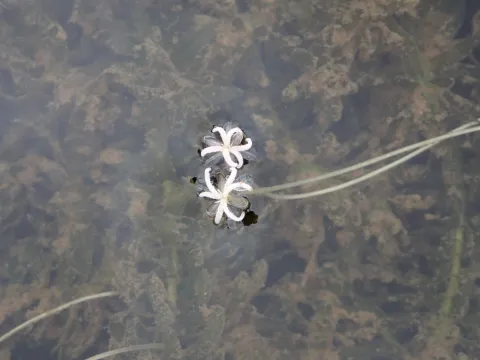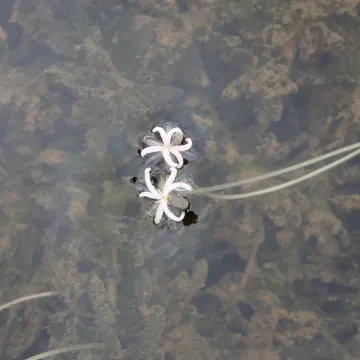
Chilean elodea
Elodea chilensis
Description
Chilean elodea (Elodea chilensis) is a submerged aquatic plant species belonging to the Hydrocharitaceae family. It is distinct for its specific adaptation to temperate and subtropical aquatic environments. Like other members of its genus, it is a perennial species that thrives entirely submerged, providing essential ecological services in aquatic ecosystems.
Originating from Chile and surrounding South American territories, this plant has adapted to diverse freshwater habitats, including ponds, lakes, and slow-moving streams. In an agricultural or controlled cultivation setting, it is valued for its hardiness and ability to rapidly produce biomass, provided that the environmental parameters of the water body are kept within favorable ranges.
The morphology of the plant consists of elongated stems organized in whorls of leaves. The leaves themselves are typically thin and translucent, facilitating efficient nutrient uptake directly from the water column. Its root system is primarily used for anchorage in the substrate, while the main nutrient absorption occurs through the epidermis, which is a common trait among submerged hydrophytes.
Cultivation requirements involve monitoring the chemical composition of the water, specifically maintaining appropriate pH and nutrient concentrations. The plant requires moderate to high light intensity to support active photosynthesis. In controlled environments, growers must balance light levels with nutrient supply to prevent the development of competing algal blooms, which can stifle the growth of the elodea colonies.
Key areas of хозяйственного use include:
- Biofiltration systems for wastewater treatment.
- Aquascaping and professional aquarium plant production.
- Utilisation as a nursery plant for aquatic life support.
- Research on submerged macrophyte biology and photosynthesis.
Typical issues in cultivation include susceptibility to certain types of fungal pathogens that attack weakened stems, as well as damage from herbivorous invertebrates. Maintaining water quality, including adequate dissolved oxygen and avoiding extreme temperature fluctuations, is the primary method to prevent disease outbreaks and ensure the longevity of the plant population.
Photo gallery