Elsholtzia blanda
Elsholtzia blanda
Description
Elsholtzia blanda is an herbaceous annual plant belonging to the Lamiaceae family. This species is recognized for its aromatic properties, making it a valuable subject for research into essential oil production and its application in herbal medicine. Its morphology and biochemical profile establish it as a niche crop with potential in both the pharmaceutical and cosmetic industries.
The native habitat of Elsholtzia blanda spans across various regions of East and Southeast Asia, specifically in the temperate and subtropical zones of India and China. In these areas, the plant thrives in mountain meadows and along forest edges. When domesticated, it requires similar climatic conditions, characterized by moderate humidity and exposure to consistent sunlight throughout the growing season.
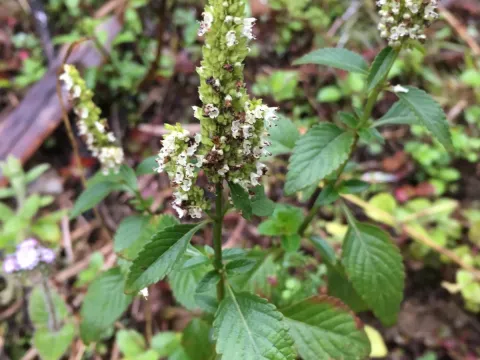
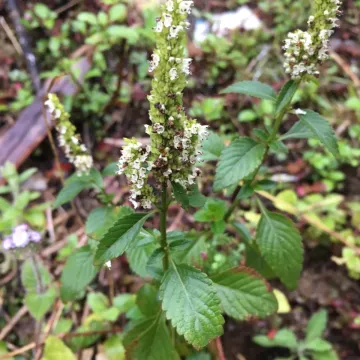
Botanically, Elsholtzia blanda features a branched, erect stem that typically reaches heights between 50 and 80 centimeters. Its leaves are opposite, serrated, and rich in glandular trichomes where essential oils are stored. The flowers appear in dense, spicate inflorescences at the stem apices. This structure is essential for pollination and marks the stage where the plant is ready for harvesting to maximize oil yield.
Agronomic management requires specific soil and climate considerations. The crop performs best in well-drained, sandy loam soils with moderate fertility. Key agricultural practices include:
- Choosing sites with high solar exposure for optimal secondary metabolite production.
- Maintaining soil moisture levels to avoid drought stress during the vegetative phase.
- Providing adequate spacing between rows to ensure air circulation.
- Regular weeding to reduce resource competition.
- Harvesting at the peak of bloom to ensure the highest concentration of aromatic compounds.
Regarding health and protection, the crop is generally hardy but can be susceptible to root rot in waterlogged soils. Common pests include aphids, which may cluster on tender shoots, and spider mites during hot, dry spells. Integrated pest management, focusing on biological controls and maintaining soil drainage, is highly recommended to ensure the long-term productivity and quality of the harvest.
Photo gallery