Vietnamese balm
Elsholtzia ciliata (Thunb.) Hyl.
Description
Vietnamese balm (Elsholtzia ciliata) is an annual aromatic herb belonging to the Lamiaceae family. It is increasingly recognized in agriculture for its high essential oil content, possessing a unique, intense fragrance often described as a mix between mint, lemon, and basil, which provides significant value for the pharmaceutical and culinary industries.
Native to East and Southeast Asia, this species has spread across various temperate regions globally. It thrives in open, sunny environments and is known for its high ecological adaptability, making it a robust crop in diverse climates. The plant prefers areas with moderate rainfall but can withstand brief periods of drought once established.
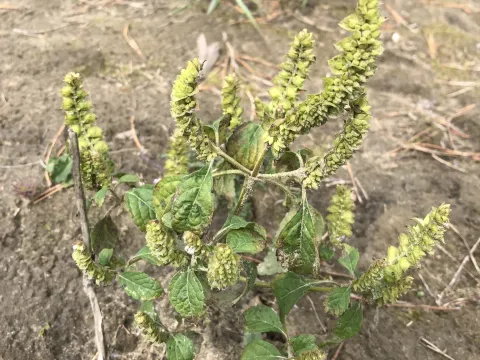
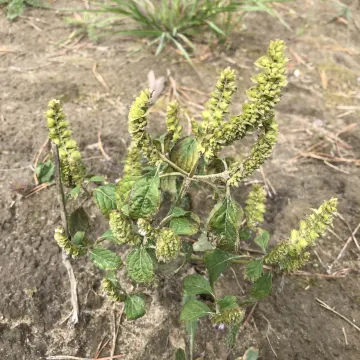
Botanically, the plant features an erect, branched stem reaching up to 60 cm in height, adorned with lanceolate leaves and distinctive spike-like inflorescences. These dense, pubescent spikes contain numerous small flowers that release a potent aroma, especially when brushed against, due to the high density of oil glands on the foliage.
For successful cultivation, well-draining, fertile loam soils with a neutral pH are ideal. The agronomic process includes direct seeding in warm soil, maintaining weed-free rows, and ensuring adequate moisture during the early vegetative stages to promote vigorous leaf development. Proper spacing is essential to ensure adequate airflow and maximize oil yield.
Beyond its culinary uses, Vietnamese balm is valued in traditional medicine for its diuretic and antiseptic properties. In modern agriculture, it is cultivated specifically for the essential oil industry. Growers must remain vigilant against typical pests and diseases that affect the Lamiaceae family to ensure consistent crop quality:
- Aphid infestations on tender apical shoots.
- Spider mites during prolonged dry and hot weather.
- Root rot caused by poor soil drainage and waterlogging.
- Powdery mildew in environments with low light and high humidity.
Photo gallery