Elvira biflora
Elvira biflora
Description
Elvira biflora is a herbaceous plant species belonging to the Asteraceae family. Within the context of agricultural and botanical studies, this plant is recognized for its unique morphological features and its role as a specialized member of the Heliantheae tribe found in tropical climates.
The plant originates from the tropical regions of Central and South America. Its natural habitat is characterized by humid conditions, often found in subtropical forest clearings and disturbed soils where sufficient warmth is provided throughout the entire growing season.
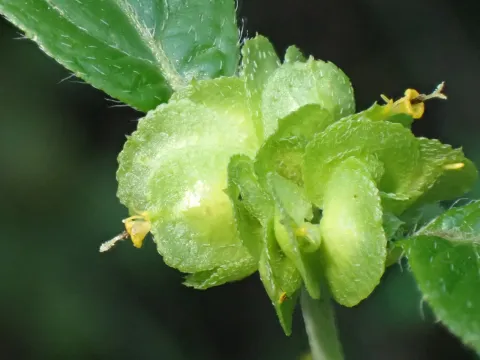
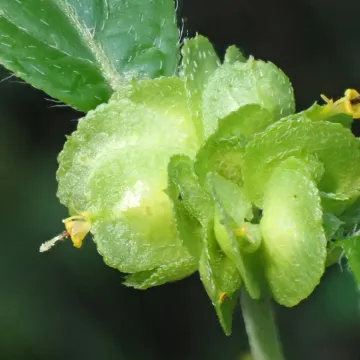
Botanically, Elvira biflora is distinguished by its erect stems and opposite, petiolate leaves. Its inflorescences consist of small capitula, which are uniquely protected by a specific set of bracts, a diagnostic feature that separates this genus from other common Asteraceae plants.
Successful cultivation of this crop depends on strictly maintaining environmental parameters. The soil must be well-drained, nutrient-rich, and kept consistently moist. Proper field management involves regular monitoring for humidity levels, as the plant is highly sensitive to both waterlogging and drought stress.
From an agricultural standpoint, the plant is primarily studied for its potential in secondary metabolite production. While it is not a large-scale commercial crop, its resistance to local pests and its ecological niche requirements make it a subject of interest for sustainable tropical farming practices and medicinal plant research.
Photo gallery