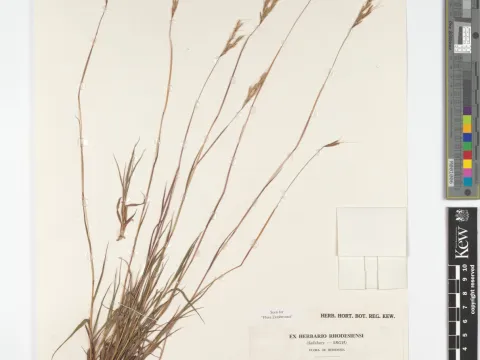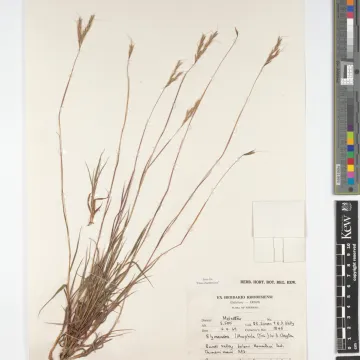
Elymandra lithophila
Elymandra lithophila
Description
Elymandra lithophila is a resilient perennial grass species belonging to the Poaceae family. In agricultural science, it is recognized as a hardy forage crop suitable for challenging tropical environments where more conventional grasses fail to thrive.
The species originates from the tropical savanna regions of Africa, where it has adapted to rocky, well-drained habitats. Its natural range is concentrated in areas characterized by distinct wet and dry seasons, making it a critical component of local pastoral biodiversity.
Botanically, it is classified as a tussock-forming grass with high structural durability. Its leaves exhibit xerophytic adaptations, such as a thick epidermis, to cope with high light intensity and episodic water stress. The reproductive structure consists of panicles that facilitate seed dispersal across open landscapes.
In terms of agricultural management, Elymandra lithophila demands minimal intervention but thrives best in soils with excellent drainage, such as sandy or lithic types. It requires full sunlight to maintain vigor and should not be subjected to waterlogged conditions, which lead to root system decay and rapid loss of stand density.
The primary utility of this grass is as a forage source for extensive livestock grazing. Producers should be aware of potential fungal infections during periods of high humidity and monitor for outbreaks of specialized grass-feeding insects, which are the most common biological pests impacting the health of the forage.
Photo gallery