Hairy wheatgrass
Elymus ciliaris
Description
Hairy wheatgrass (Elymus ciliaris) is a perennial herbaceous grass species belonging to the Poaceae family. This crop is recognized for its agronomic value in forage production, providing a reliable source of nutrition for livestock due to its strong ability to establish cover in diverse environmental conditions.
Native to regions of East Asia, including China and Mongolia, Hairy wheatgrass has adapted to various climatic zones, ranging from arid steppes to temperate grasslands. Its natural resilience to cold winters and fluctuations in annual precipitation makes it a robust candidate for cultivation in regions looking to improve the diversity and stability of their grasslands.
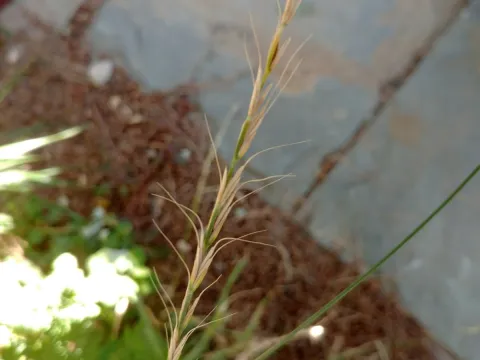
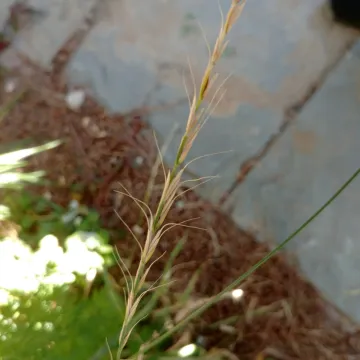
Botanically, it is a tufted grass featuring tall, slender culms that can reach heights of over one meter. The leaves are characteristically hairy or ciliate, which serves as a defensive mechanism against certain types of herbivory and environmental stressors. The plant produces a dense inflorescence, allowing for significant seed production, which facilitates easy propagation.
Agronomically, the crop performs best in well-drained loamy soils but displays remarkable tolerance to alkaline and saline conditions where other grasses might fail. Cultivation involves minimal soil disturbance and planting in the early spring season. Because the plant establishes a deep root system, it is highly efficient at extracting nutrients and moisture from lower soil layers.
The primary use of this crop is in high-yield pastures and hay production. It recovers well after grazing or mowing, demonstrating excellent regrowth capabilities. While generally hardy, farmers should remain vigilant against common grass pests such as stem flies and fungal diseases like leaf rust, which can be mitigated through proper crop rotation and integrated pest management practices.
Photo gallery