Squirreltail
Elymus elymoides
Description
Squirreltail (Elymus elymoides) is a prominent perennial bunchgrass belonging to the Poaceae family. It is highly regarded in agronomy for its remarkable ability to thrive in challenging environments, making it a critical species for both grazing land restoration and soil stability in arid regions.
Native to Western North America, the plant is widely distributed across various habitats, including dry plains, foothills, and disturbed sites. Its wide ecological amplitude allows it to compete effectively in regions where other species struggle due to nutrient scarcity or moisture deficits, establishing it as a pioneer species in post-disturbance ecosystems.
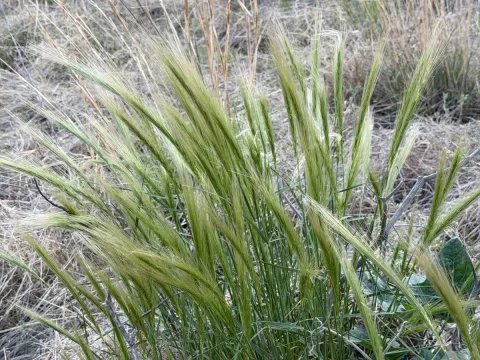
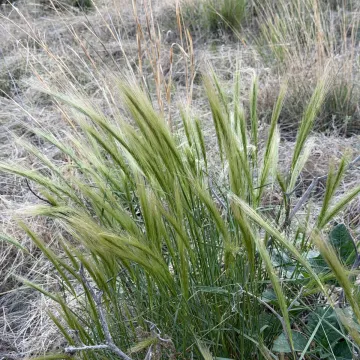
Botanically, Elymus elymoides is recognized by its dense, bottlebrush-like spikes featuring long, divergent awns. The plant typically grows in bunches, reaching heights of up to 60 centimeters. It is characterized by its early spring growth cycle, which provides essential high-protein forage when other pasture species are still dormant.
The cultural requirements for Squirreltail are minimal, as it prefers well-drained, coarse-textured soils but can tolerate moderate salinity. It is exceptionally drought-tolerant and frost-hardy. Proper management involves avoiding heavy grazing during the seed-head development phase to ensure the plant's long-term persistence and self-seeding capability.
Agricultural use focuses on livestock grazing and rangeland reclamation. However, producers must consider potential risks and common issues associated with this grass:
- Mechanical injury to livestock due to sharp, barbed awns in mature hay.
- Potential for becoming an invasive competitor in certain agricultural contexts.
- Susceptibility to rust fungi, which may affect forage quality during humid seasons.
Photo gallery