Blue wildrye
Elymus glaucus
Description
Blue wildrye (Elymus glaucus) is a robust perennial grass species belonging to the Poaceae family. As an agricultural crop, it is highly valued for its rapid establishment and ability to thrive in a wide range of temperate environments, serving both as forage and as a conservation tool.
Native to western North America, this species occupies a variety of habitats, ranging from woodland edges to open meadows. Its natural distribution demonstrates its high adaptability to different light conditions and soil moisture levels, making it a versatile option for farmers seeking hardy perennial cover.
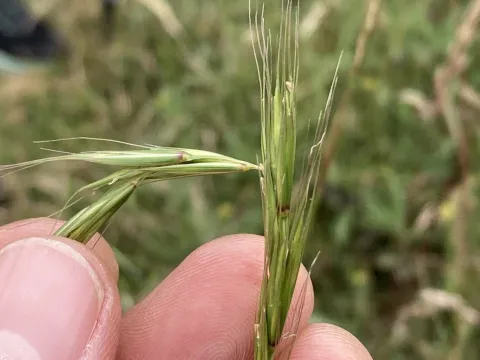
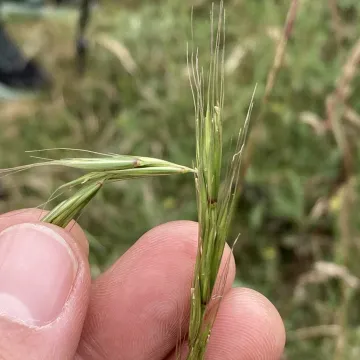
Botanically, it features tall, erect stems reaching heights of up to 1.5 meters, characterized by distinctive bluish-green foliage. It grows in bunchgrass form, developing an extensive fibrous root system that provides excellent soil stabilization. The inflorescence is a dense, slender spike that produces abundant seeds by late summer.
The crop thrives in well-drained loamy soils but displays remarkable tolerance to various soil textures, including clay-heavy substrates. Successful agronomy requires thorough seedbed preparation and early-season weed control to ensure the grass becomes established. Once settled, it exhibits excellent drought tolerance and winter hardiness.
Key agricultural uses include:
- Forage production for livestock, providing high-quality biomass.
- Erosion control on slopes and disturbed industrial sites.
- Use in native grass seed mixes for ecological restoration projects.
While generally hardy, the crop is susceptible to certain pathogens like powdery mildew and ergot, particularly in humid or stagnant air conditions. Common pests such as grasshoppers and aphids can occasionally threaten seedling stands. Integrated pest management, including regular scouting and maintaining optimal stand density, remains the best practice for high-yield farming.
Photo gallery