
Lebanese wheatgrass
Elymus libanoticus
Description
Lebanese wheatgrass (Elymus libanoticus) is a perennial grass species belonging to the Poaceae family. Known for its hardiness and environmental resilience, this plant is an essential component of arid ecosystems and has significant potential in agricultural systems designed for low-input environments.
The native range of Elymus libanoticus extends across the mountainous regions of the Middle East, particularly Lebanon and surrounding areas. It is naturally adapted to steep, rocky terrain and arid soils where seasonal drought is a common stressor. This evolutionary background makes it a highly valuable candidate for rangeland restoration projects.
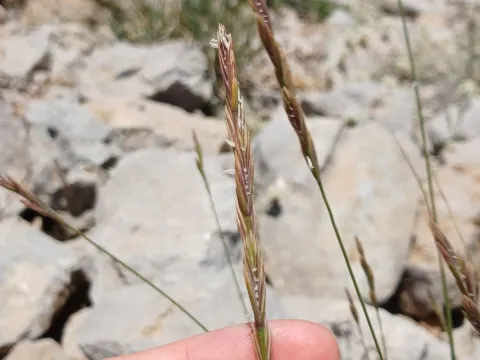
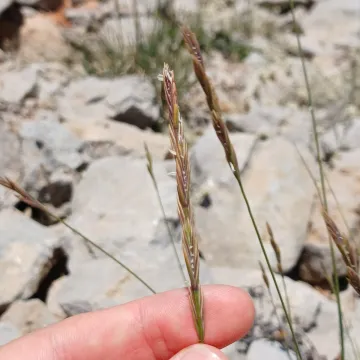
Botanically, the species is characterized by its bunch-type growth habit, which helps in preventing soil erosion. The stems are robust, often supporting dense spikes, and the leaves are typically xerophytic—narrow and slightly rough—to minimize transpiration losses. The extensive root system ensures the plant can thrive even when the upper soil layers are depleted of moisture.
Cultivation requirements for Lebanese wheatgrass emphasize the need for well-draining soils with a neutral or slightly alkaline pH. It is generally intolerant of waterlogged conditions and prefers full sun exposure. In terms of agronomy, establishment should be timed to coincide with mild temperatures, ensuring that the seedlings develop adequate roots before the onset of harsh drought or frost.
In practice, the crop is primarily utilized for livestock grazing and land stabilization. Its ability to maintain forage quality during periods of limited water availability makes it an asset for sustainable pasture management. Furthermore, it serves as a genetic reservoir for breeding programs focusing on heat and drought tolerance in domesticated forage cereals.
Pests and diseases are generally manageable in arid regions; however, like other members of the tribe Triticeae, it may occasionally suffer from rusts or fungal infections if planted in overly humid microclimates. Maintaining an open, well-ventilated stand density and proper crop rotation cycles are the primary methods for ensuring plant health in commercial settings.
Photo gallery