Elymus lolioides
Elymus lolioides
Description
Elymus lolioides is a perennial forage grass species belonging to the Poaceae family. Recognized for its robustness and adaptability, this plant serves as a vital component in grassland ecosystems and is increasingly utilized in modern agriculture as a reliable fodder source.
The origin of Elymus lolioides is traced to the temperate regions of Eurasia. Its current cultivation range covers various climatic zones, where the grass thrives in open steppe landscapes and forest margins, showing significant tolerance to environmental stress, including drought and cold spells.
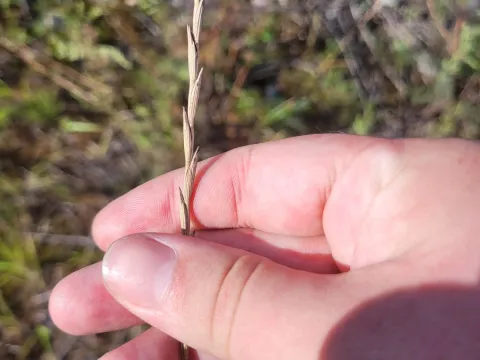
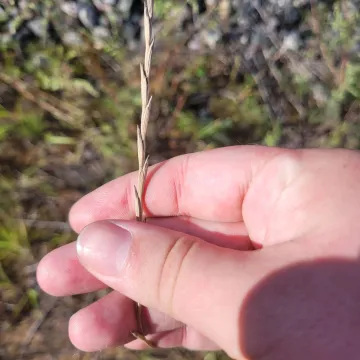
Botanically, the species is characterized by its fibrous root system and strong stems, which provide structural integrity to the plant. The inflorescence is a distinct spike, often mistaken for rye grass due to its morphological similarities, which allows for efficient seed dispersal and propagation in diverse soil types.
Regarding cultivation requirements, Elymus lolioides prefers well-drained soils and shows excellent performance in moderately fertile conditions. Proper agronomic management includes early spring fertilization to stimulate vegetative growth and controlled grazing practices to ensure the long-term sustainability of the pasture.
The primary economic applications of the plant include:
- Production of high-quality hay for ruminant nutrition.
- Intensive pasture systems for cattle and small livestock.
- Soil stabilization projects to combat wind and water erosion.
- Landscape restoration and ecological land reclamation.
Common agricultural challenges involve susceptibility to fungal pathogens such as rusts and mildews, particularly in high-humidity areas. Pest management usually focuses on monitoring cereal beetles and aphids, with integrated pest management (IPM) strategies remaining the most effective method to ensure crop health and prevent yield reduction.
Photo gallery