Magellan wheatgrass
Elymus magellanicus
Description
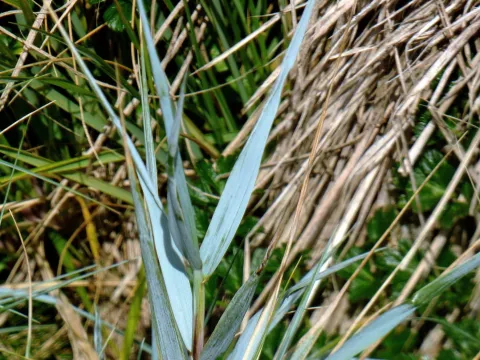
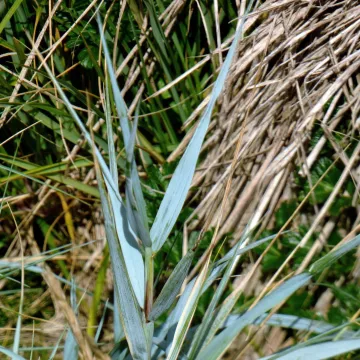
Magellan wheatgrass (Elymus magellanicus) is a perennial grass species within the Poaceae family. It is widely recognized by horticulturalists for its striking, steely-blue foliage, which provides a unique architectural element in landscape design and ornamental grass collections throughout the growing season.
Originating from the southern regions of South America, specifically in parts of Argentina and Chile, the species has evolved to thrive in temperate climates. This inherent resilience allows it to be grown in various international environments, where it is valued not only for its aesthetics but also for its hardiness against environmental stressors.
The botanical structure of the plant consists of dense clumps of narrow, slightly arching, metallic-blue leaves. As the plant matures, it develops a robust root system. The inflorescences emerge in mid-to-late summer as elegant, elongated spikes that rise above the foliage, adding height and an airy texture to the overall structure of the grass.
To ensure optimal growth, Magellan wheatgrass requires a location with full sun exposure, which is critical for maintaining its vivid blue coloration. The soil should be well-drained, as the plant is sensitive to waterlogged conditions, particularly during the winter months. It is moderately drought-tolerant once established, making it a sustainable choice for low-maintenance garden projects.
Key agronomic and care practices include the following:
- Annual pruning of foliage in early spring to stimulate fresh, vibrant growth.
- Provision of well-drained, sandy, or gravelly soil types to prevent root decay.
- Limiting nitrogen-rich fertilizers to prevent excessive, weak leaf production.
- Routine division of mature clumps every few years to maintain vigor.
In terms of usage, it is commonly utilized for rock gardens, gravel borders, and as an ornamental accent in mixed perennial borders. It is generally free from major pests and diseases; however, gardeners should monitor for signs of aphids or rust, particularly in areas with poor air circulation or excessively humid conditions that might favor fungal development.
Photo gallery