Renosterbos
Elytropappus rhinocerotis
Description
The Elytropappus rhinocerotis, commonly known as Renosterbos, is a perennial shrub belonging to the Asteraceae family. This species is the dominant plant in the renosterveld vegetation type, which is a unique and highly threatened biome native to South Africa.
Originating from the Western Cape region, this shrub has historically inhabited nutrient-rich soils. Due to the high agricultural value of these soils, much of the renosterveld has been converted into wheat fields and other crops, making the conservation of this plant vital for local biodiversity.
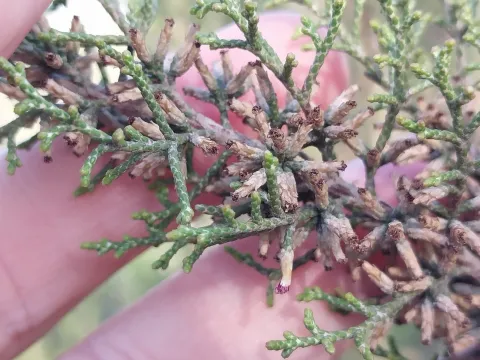
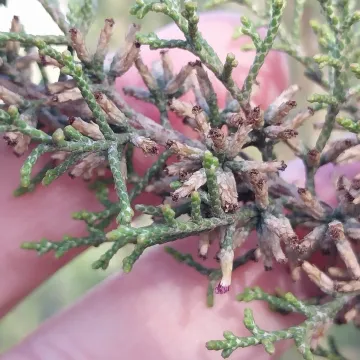
Botanically, the Renosterbos is characterized by its greyish, small, needle-like leaves that are closely pressed to the stem, minimizing water loss. The plant reaches heights between 0.5 and 1.5 meters and produces small white to yellowish flower heads. These structures are adapted to thrive in Mediterranean-type climates with cool, wet winters and hot, dry summers.
Cultivation and management requirements for this species are specific. It thrives in well-drained soils and is highly resilient. While not typically a commercial crop, in agricultural landscapes, it requires strategic management, such as controlled burning, to prevent it from becoming overly dominant and reducing the productivity of livestock grazing land.
The economic and ecological utility of Elytropappus rhinocerotis lies primarily in environmental restoration. It is effective in protecting soil from wind and water erosion. Furthermore, it supports specific insect populations and forms an essential part of the Cape Floral Kingdom, which is recognized globally for its high level of endemism.
- Extreme drought tolerance.
- Vital role in preventing soil erosion.
- Resilient to typical regional pests.
Photo gallery