
Emilia coccinea
Emilia coccinea (Sims) G. Don
Description
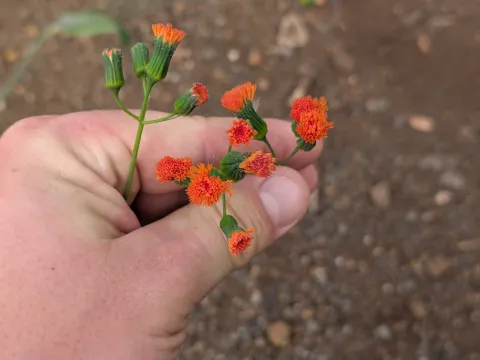
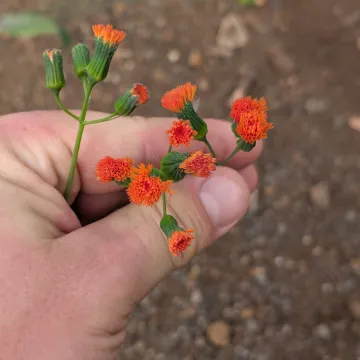
Emilia coccinea, commonly known as the tassel flower, is an annual herbaceous plant belonging to the Asteraceae family. This species is highly valued in horticulture for its vibrant, brush-like flower heads, which add a distinctive aesthetic appeal to gardens, borders, and professional floral arrangements.
Originating from the tropical regions of Africa, this plant has adapted to various cultivation environments globally. While it thrives as a perennial in its native tropical habitat, it is managed as an annual crop in temperate zones, where it is cultivated during the warm spring and summer months.
From a botanical perspective, the plant features erect stems and alternate, smooth-edged leaves, typically growing to a height of 30 to 60 centimeters. Its primary decorative feature is the corymb of scarlet or fiery orange florets. The growth cycle is relatively rapid, allowing for multiple successions of blooms throughout the growing season.
The cultural requirements for Emilia coccinea emphasize a preference for full sun exposure and fertile, well-draining soil. It is relatively drought-tolerant once established but performs best with consistent moisture levels. The plant does not tolerate waterlogging, which necessitates careful soil preparation and the inclusion of organic matter to improve drainage.
The main agricultural and horticultural applications include its use as an ornamental crop in landscape design and the production of cut flowers for commercial floristry. To ensure optimal health, growers must monitor for common pests such as aphids and whiteflies, and maintain adequate air circulation to prevent fungal infections like powdery mildew, which can arise in high-humidity conditions.
Photo gallery