
Emilia macaulayae
Emilia macaulayae
Description
Emilia macaulayae is a distinct plant species belonging to the Asteraceae family. Known for its specific adaptation to tropical and subtropical environments, this plant represents a niche interest in modern agronomy and ornamental horticulture, showcasing the rich diversity within the genus Emilia.
The plant originates from the African continent, where it thrives in warm, stable climates. While it is not a large-scale agricultural commodity, it is highly regarded in botanical research and conservation as a species that reflects unique evolutionary adaptations to specific habitats within its range.
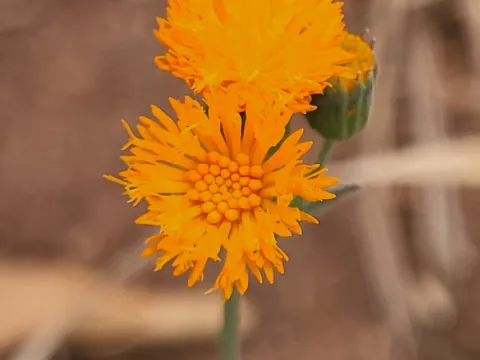
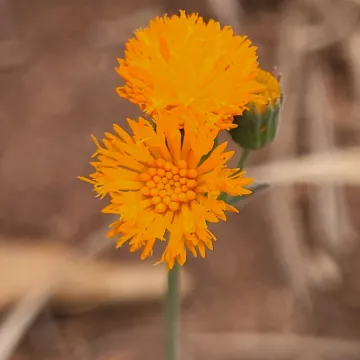
Botanically, it presents as an herbaceous plant with distinct capitulum inflorescences. The foliage is typically adapted to high-light environments, and the root system is optimized for efficient nutrient uptake in well-drained, sandy or loamy soils. Its vegetative structure is relatively compact, making it suitable for controlled environments.
Regarding agrotechnical requirements, Emilia macaulayae demands high sunlight exposure and a consistent watering regime that avoids waterlogging. The soil must be well-aerated to prevent root rot, which is a critical success factor. Temperature management is crucial; the plant prefers warm conditions and reacts negatively to temperatures below 15°C, which can stunt growth and flowering.
- Requires nutrient-rich soil with moderate organic matter.
- Sensitive to excessive nitrogen, which can lead to lush leaf growth but poor flowering.
- Susceptible to common Asteraceae pests, specifically aphids and spider mites.
- Requires consistent monitoring for powdery mildew in humid environments.
The primary use of this crop is ornamental. Its aesthetic appeal and unique floral characteristics make it a candidate for niche gardening and research collections. Integrated pest management (IPM) is strongly recommended to protect the crop from pests and pathogens while maintaining the biological balance of the growth environment.
Photo gallery