Whispering bells
Emmenanthe penduliflora
Description
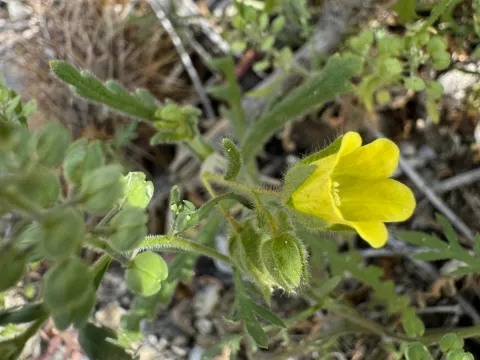
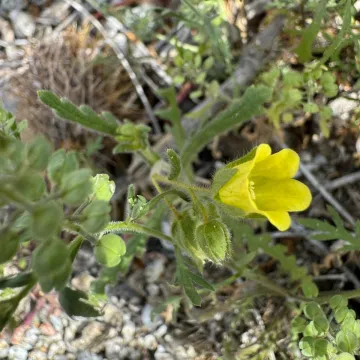
Emmenanthe penduliflora, commonly known as whispering bells, is an annual herbaceous plant belonging to the Boraginaceae family. This species is highly regarded for its bell-shaped flowers that appear in spring, which dry out on the stalk and retain their papery texture, making them a unique specimen for both landscaping and floristry.
The plant is native to the arid regions of southwestern North America, specifically California. In its natural environment, it is known as a fire-follower, meaning that its seeds often germinate in mass numbers following wildfires, which clear out competitive vegetation and provide the necessary conditions for its rapid development.
Botanically, it features delicate, fern-like pinnate leaves covered in soft hairs. The inflorescence consists of creamy-yellow, nodding bell-shaped flowers arranged in loose clusters. The plant typically reaches a height of 20 to 50 centimeters, depending on the availability of nutrients and the specific characteristics of the soil in its growing zone.
Cultivation requires replicating its native environment: well-drained, sandy, or rocky soil is essential. It performs best in full sun and requires minimal water once established. Gardeners should avoid over-fertilization, as high levels of nitrogen may lead to leggy growth and reduced flowering. Excellent drainage is the primary requirement to ensure the health of the root system.
While the plant is relatively robust, it can be susceptible to common garden pests such as aphids and spider mites if the environmental conditions are too stagnant. Diseases are primarily related to overwatering; root rot is the most frequent cause of failure in domestic gardens. By mimicking a Mediterranean climate, cultivators can achieve high-quality yields for both decorative and commercial use.
Photo gallery