Altenstein's cycad
Encephalartos altensteinii
Description
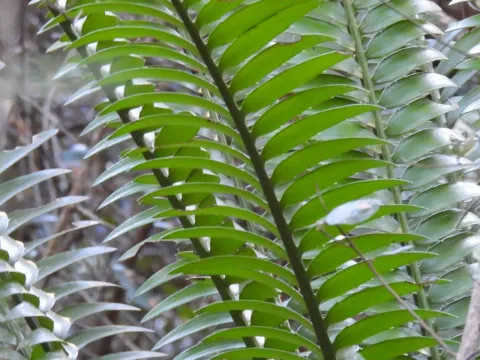
Altenstein's cycad (Encephalartos altensteinii) is a long-lived, evergreen ornamental plant belonging to the Zamiaceae family. Often referred to as a living fossil, this species has remained virtually unchanged for millions of years. In professional horticulture, it is highly valued for its striking architectural appearance and is predominantly grown in specialized greenhouses and botanical landscapes.
The plant originates from the Eastern Cape province of South Africa, where it thrives in coastal forests, valleys, and rocky slopes. Because it is native to subtropical regions, its cultivation in other parts of the world is largely limited to glasshouses or sheltered gardens where temperatures rarely drop below freezing. Its natural habitat is characterized by high air humidity and well-drained acidic soils.
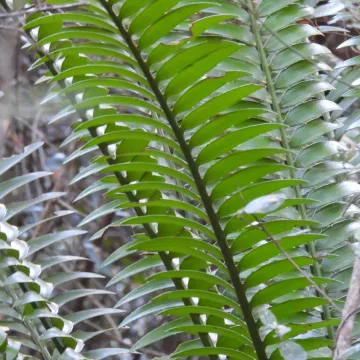
Botanically, it features a sturdy, upright trunk topped with dark green, pinnate leaves that can reach up to 3 meters in length. As a dioecious species, it produces distinct male and female cones. The plant exhibits an extremely slow growth rate, making mature specimens rare and highly sought after by collectors. The structure of its root system is specialized, forming coralloid roots that host cyanobacteria for nitrogen fixation.
Successful cultivation requires strict adherence to specific agricultural standards. The key elements for healthy growth include:
- A high-quality, free-draining substrate composed of pumice, coarse sand, and organic matter.
- Avoidance of waterlogged soil, which is the primary cause of root rot.
- Exposure to filtered sunlight to prevent leaf scorch in younger specimens.
- Minimal disturbance, as cycads generally dislike root interference.
The most common pests affecting this culture include scale insects and mealybugs, which tend to congregate in the crown of the plant. Fungus gnats and various root rots can also become significant issues if the drainage is inadequate or humidity is too high. A integrated pest management approach, emphasizing clean tools and proper spacing, is essential for maintaining a healthy and robust plant.
Photo gallery