
Queensland walnut
Endiandra palmerstonii C. T. White
Description
Queensland walnut (Endiandra palmerstonii) is a significant tree species belonging to the Lauraceae family. Despite its common name, it is botanically distinct from traditional nut crops, being a massive rainforest tree valued primarily for its magnificent timber and its role in the tropical ecosystem of its native Australian habitat.
The species is endemic to the tropical rainforests of North-East Queensland, Australia. It thrives in high-rainfall environments with rich, volcanic soils. Its native range is characterized by a warm, humid climate that does not experience extreme temperature fluctuations, which is essential for the tree's successful development and survival.
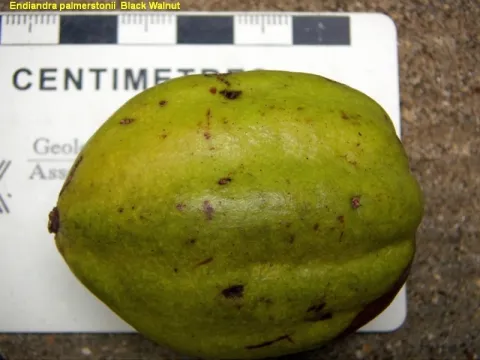
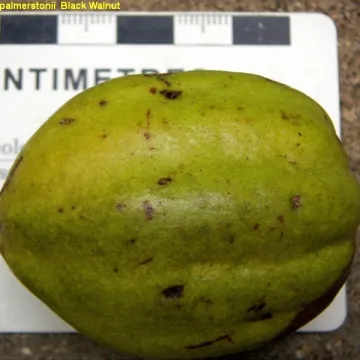
From a botanical perspective, the tree features a robust trunk and a broad, dense canopy. Its leaves are evergreen, glossy, and leathery, typical of the laurel family. The tree produces small flowers, followed by drupe-like fruits containing seeds that have been historically significant to indigenous populations. The timber itself is highly sought after for its deep, rich coloration and durability.
For agricultural and forestry purposes, Queensland walnut requires deep, well-drained, fertile soil and protection from cold winds. It is not a frost-tolerant species and thrives best in areas with high annual rainfall. Propagation is typically done via seeds, which require specific moisture conditions to maintain viability after harvest, as they are recalcitrant seeds.
Economic utilization focuses mainly on the furniture and veneer industry due to the wood's high structural quality. Typical pests include various wood-boring beetles and occasional fungal infections that target roots in waterlogged soil. Proper plantation management requires integrated pest control measures to ensure healthy growth and high-quality timber yield throughout the rotation cycle.
Photo gallery