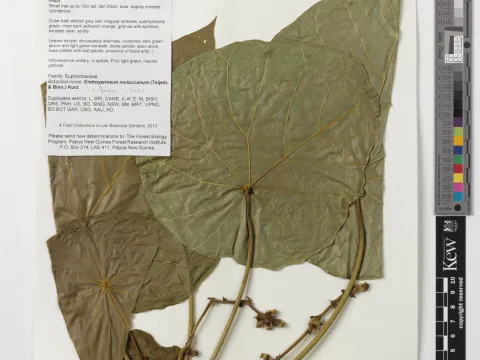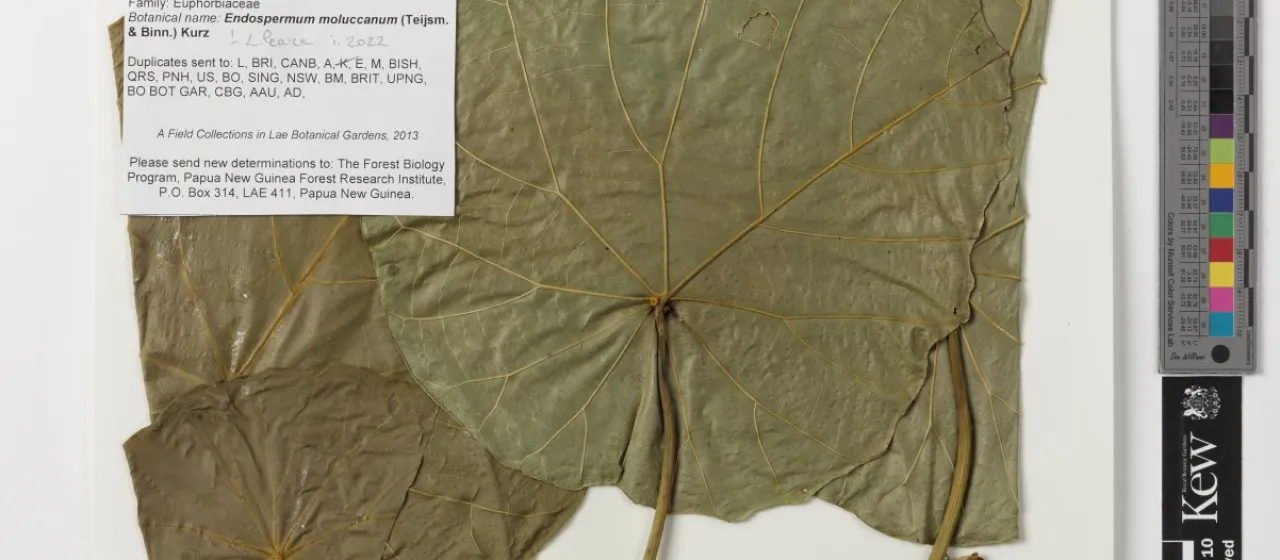
Description
Endospermum moluccanum is a significant tree species belonging to the Euphorbiaceae family. It is widely recognized in tropical forestry for its exceptional growth rate, which allows for shorter rotation cycles in timber production. This species is native to the tropical regions of Southeast Asia and the Pacific, where it serves as a crucial component of secondary forests.
The natural range of this tree includes countries such as Indonesia, Malaysia, and the Philippines. It thrives in low-altitude tropical environments characterized by high humidity and consistent temperatures. As a pioneer species, it is highly effective at stabilizing soils and facilitating forest regeneration in areas that have been previously cleared or disturbed.
Botanically, the tree features a straight, cylindrical trunk and a large, spreading crown. The leaves are typically broad and leathery, providing substantial canopy cover. The species is dioecious, meaning male and female flowers are borne on separate individuals, a fact that is critical to consider when planning seed orchards or sustainable harvesting operations.
Agrotechnical requirements focus on soil moisture and light availability. The species prefers deep, well-drained soils and requires full sun exposure for optimal growth. Management practices include regular monitoring of sapling development and thinning operations to encourage straight vertical growth, which enhances the commercial quality of the timber.
The wood produced by this species is prized for its versatility. It is relatively lightweight, soft, and easy to machine, making it ideal for the production of plywood, matchsticks, indoor furniture, and various pulp products. While generally robust, plantations should be monitored for typical tropical pests and fungal infections, particularly during high-rainfall periods.
- Rapid biomass accumulation
- High-quality light wood production
- Adaptable to diverse tropical soils
- Strong potential for reforestation projects
Photo gallery